
Paris Travel Guide
Plan Your Paris Trip With Flights, Hotels, Museums, Landmarks And Things To Do
Updated Oct. 18, 2026
Paris At A Glance
The “City of Light.” The “City of Love.” Paris has many endearing nicknames. It’s a city’s city and, I think, one of the world’s capitals.
The classic architecture. The iconic landmarks. The museums. Oh, and don’t forget the food.
Paris sits on the River Seine in northern France. The city has 20 numbered districts called arrondissements, arranged in a clockwise spiral like a snail shell, starting from the center near the Louvre (the world-famous art museum and home to Leonardo da Vinci’s Mona Lisa).
Each neighborhood has its landmarks, but gardens, bakeries and unhurried café stops are part of the experience too.
Just know, you could live in Paris for a year and still not see everything, so keep that in mind and enjoy your time!
- Main Airports
- Charles de Gaulle (CDG) and Orly (ORY)
- Ideal First Visit
- Five to seven days
- Best For
- Art, food, history and walking
- Plan Ahead
- Airport transfer, arrondissement and tickets
Paris Past And Present
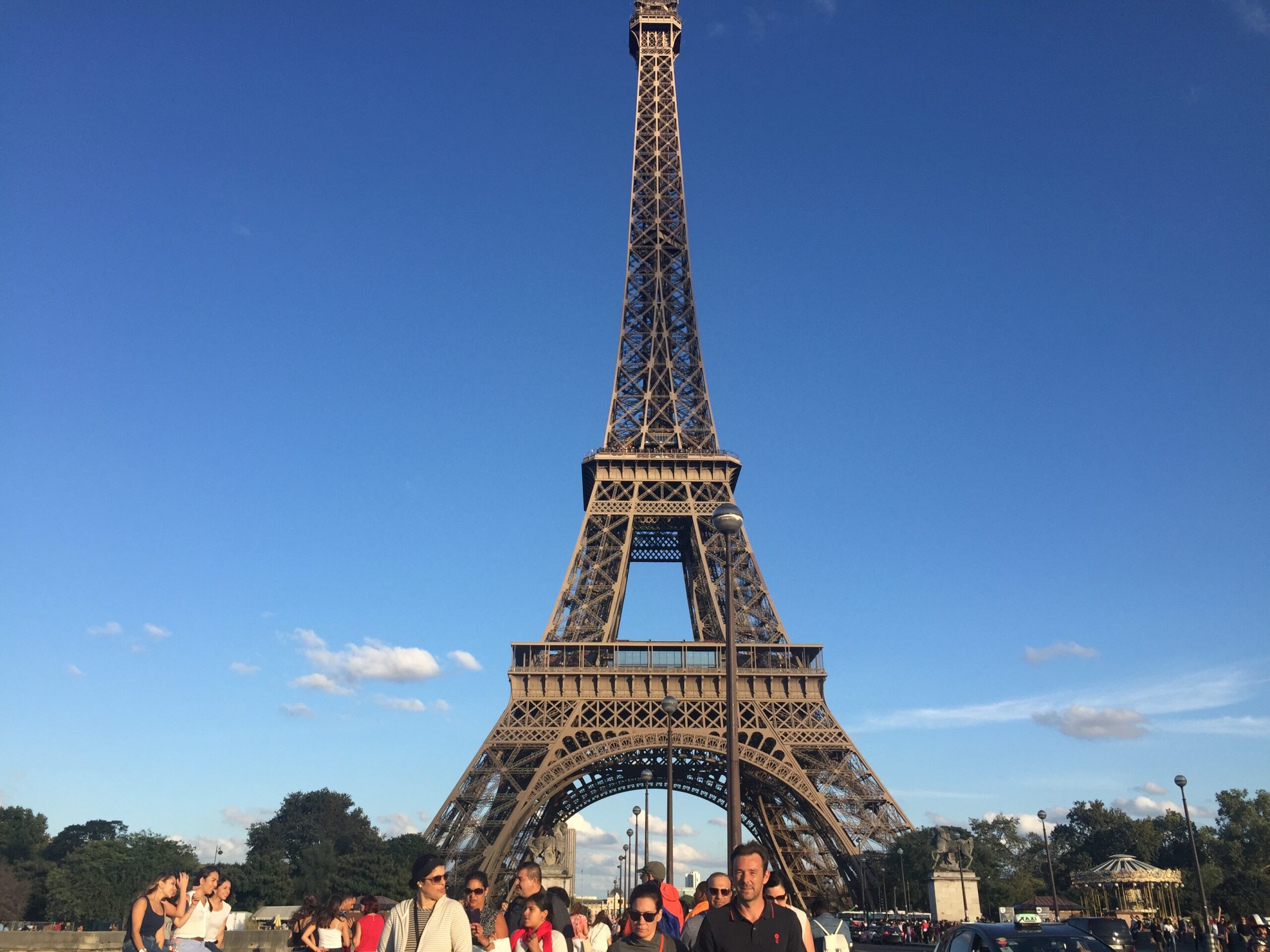
Most people, including Parisians, probably picture the Eiffel Tower when they think of Paris, but there was a time the “Iron Lady” didn’t exist.
Paris gets its name from the Parisii, a Celtic people who settled in the region around the third century B.C., more than 2,000 years ago. The River Seine was important to their trade, long before the city became known for its museums, fashion and food.
In 52 B.C., Roman forces defeated the Parisii and their allies during the Gallic Wars. Under Roman rule, the city developed as Lutetia, with public baths, an arena and other features of Roman life. By the fourth century A.D., it was becoming known as Paris, a name drawn from its earlier inhabitants.
In 508 A.D., King Clovis I of the Franks made Paris the capital of his kingdom.
Fast forward to 987 A.D., when Hugh Capet became king and founded the Capetian dynasty. Under the Capetian kings, Paris grew in importance as a center of royal power.
The medieval city also became a center of religion and learning. Construction of Notre-Dame began in 1163, the Louvre started out as a fortress in the late 12th century and the Sorbonne was founded in 1257. Yes, some of the places you’ll visit have been part of the Paris story for centuries.
In 1789, the storming of the Bastille became one of the defining moments of the French Revolution. Paris was at the center of upheaval that would bring down the monarchy and change France.
During the 19th century, Napoleon III and Baron Haussmann transformed much of Paris with broad boulevards, parks and new infrastructure. Many of those grand avenues and elegant apartment buildings you picture when you think of Paris date from this period. The Eiffel Tower followed for the 1889 World’s Fair.
Paris endured Nazi occupation during World War II before its liberation in August 1944. The city has continued to evolve, adding new art, architecture and communities alongside the landmarks that draw visitors from around the world.
Today, Paris has many different settings and attractions across its 20 arrondissements.
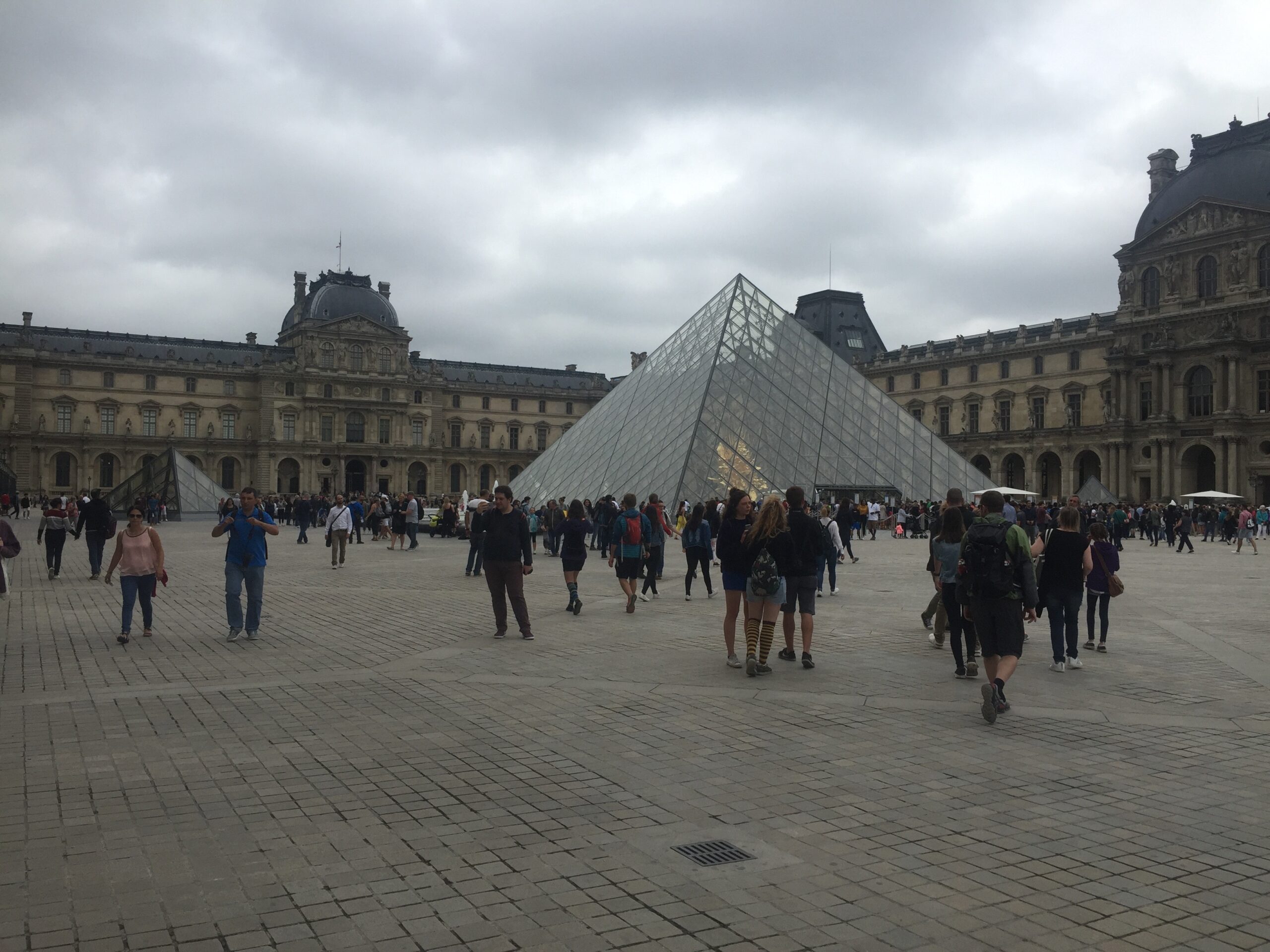
The 1st–4th Arrondissements: This is the central core, mostly on the Right Bank, where you’ll find the Louvre Museum, the Tuileries Garden and the Picasso Museum. Notre-Dame Cathedral is also in the 4th arrondissement, on the Île de la Cité in the middle of the Seine.
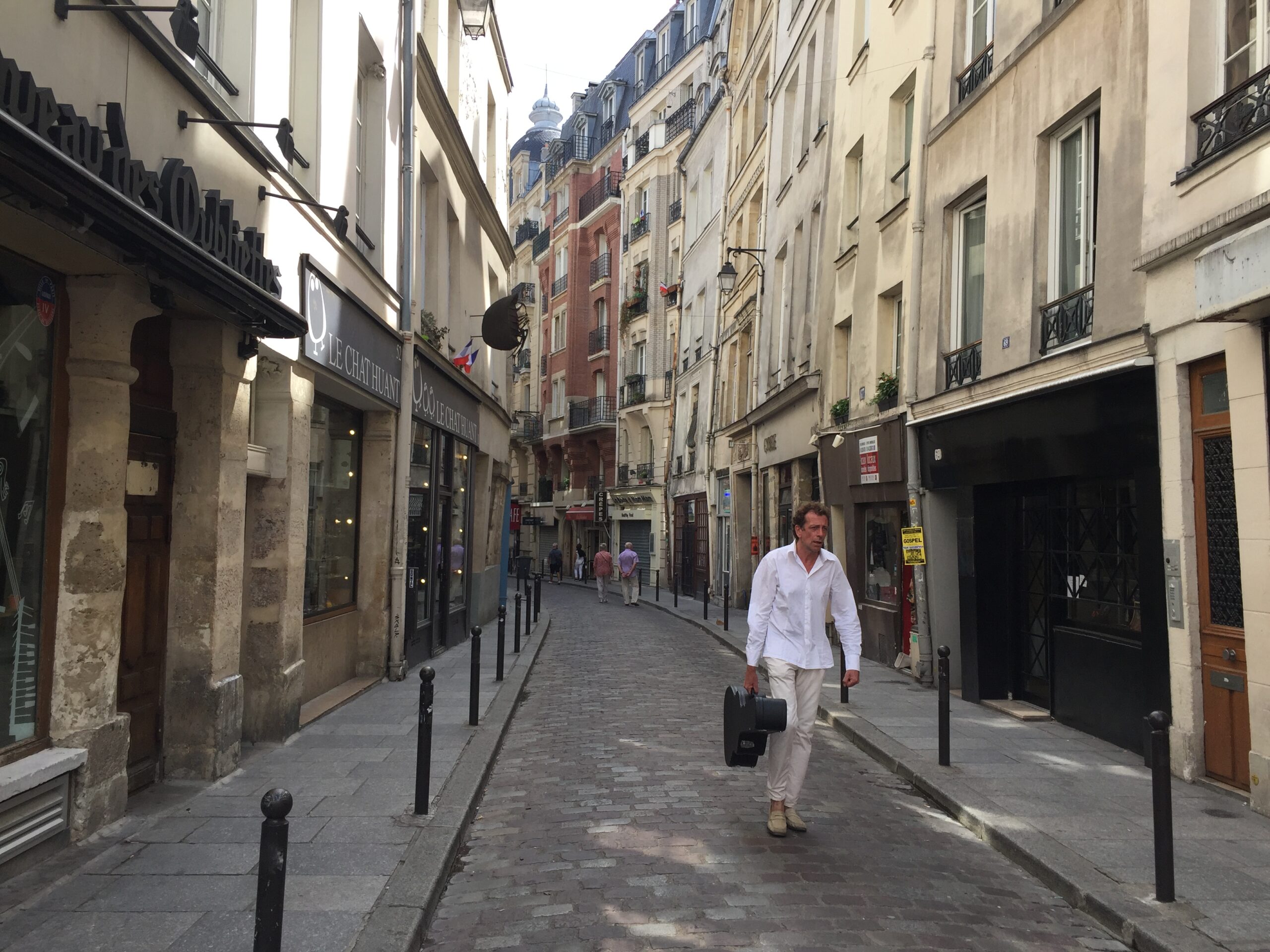
The 5th–7th Arrondissements: These central Left Bank districts include the Latin Quarter, the Musée d’Orsay and, of course, the Eiffel Tower. The Left Bank also extends into the 13th, 14th and 15th arrondissements.
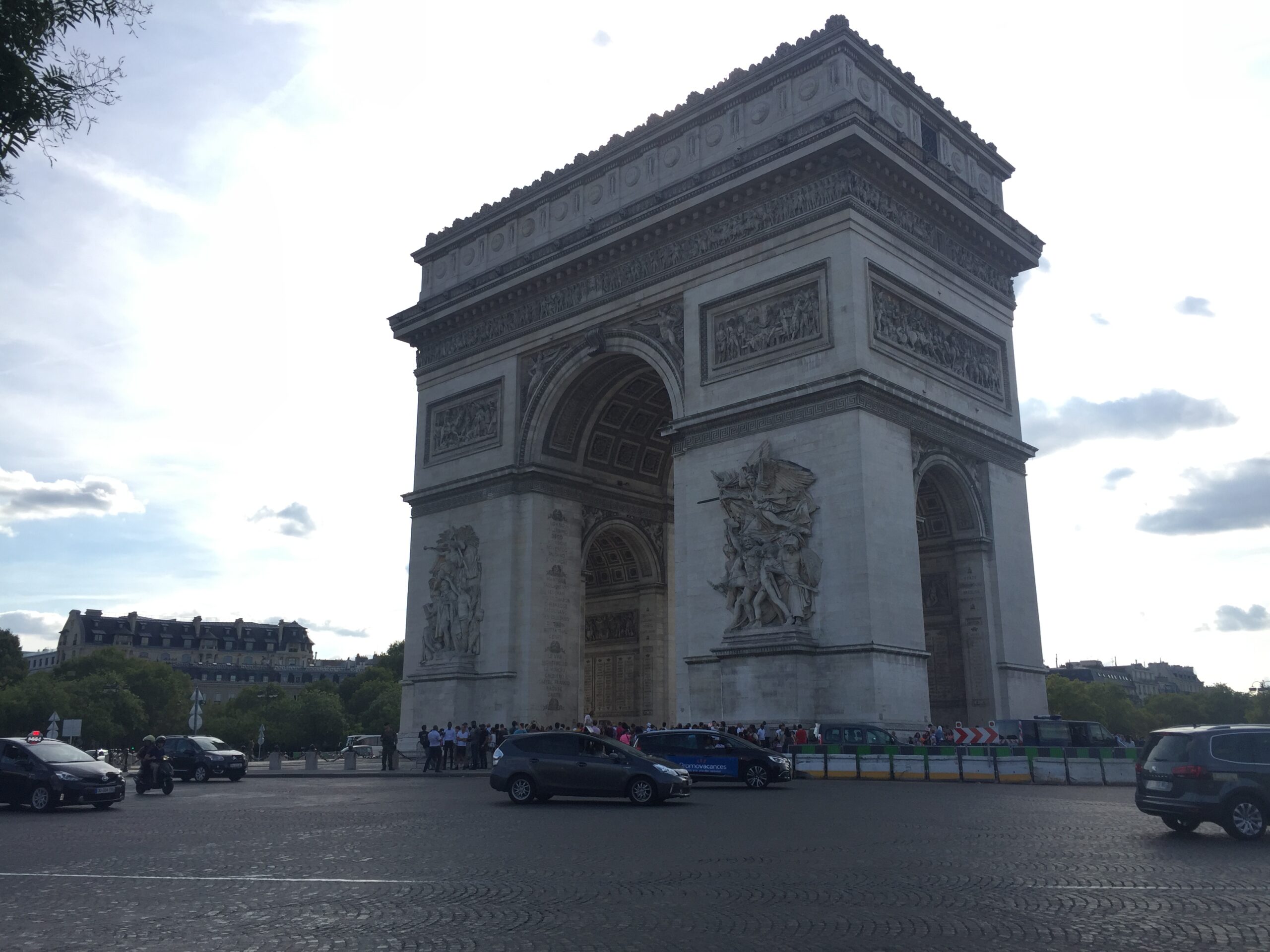
The 8th–12th Arrondissements: In these Right Bank districts, you can stroll the Champs-Élysées and marvel at the Arc de Triomphe in the 8th or take in the Palais Garnier in the 9th. Farther east, the neighborhoods around the Canal Saint-Martin and Bastille offer a different side of the city.
The 13th–20th Arrondissements: These districts spread around the outer part of Paris on both sides of the river. You’ll find the main Chinatown and the Bibliothèque nationale de France’s François-Mitterrand site in the 13th, the Paris Catacombs in the 14th and hilltop Montmartre in the 18th.
When To Visit Paris
Think about how much walking and museum time you want, then choose dates that suit your pace. Gardens, daylight and the temperature in your hotel room all affect the experience.
Summer heat can be uncomfortable in crowded streets and some older hotels. Confirm air conditioning, carry water and protect time for an indoor or shaded afternoon break.
Winter
Cool weather and shorter days can make museums appealing. Christmastime is busy, but it’s worth seeing the city decorated for Christmas and the Christmas markets are incredible.
Spring
Gardens and longer days attract visitors. Weather can shift quickly, so pack layers and rain protection.
Summer
Long daylight supports evening walks, while heat, crowds and limited air conditioning require planning.
Fall
Milder periods and cultural schedules make fall attractive. Demand remains strong on popular dates.
Compare the final airfare after luggage, seat-selection and change fees. Check arrival times against hotel check-in and available ground transportation.
Where To Stay In Paris
Choose an area that supports the way you want to spend your days. Compare the exact property, room category and included services, not only the advertised nightly price.
Historic Center
Central areas near the Seine support walking to major sights, often at a premium price and with smaller rooms.
A hotel near the river can simplify a first visit, but compare room dimensions and street noise. The most famous address is not always the most comfortable room.
Saint-Germain And The Latin Quarter
Appealing for cafés, history and Left Bank atmosphere. Exact street and transit access matter.
These Left Bank areas suit cafés, gardens and walking. Choose proximity to a useful Métro or RER station if airport access matters.
Le Marais
Popular for architecture, restaurants, shops and nightlife. Compare noise and room size carefully.
Le Pavillon de la Reine on Place des Vosges is one Marais example. Compare the particular street and your evening plans rather than treating the whole district alike.
Montmartre Or Outer Central Districts
Can offer distinct neighborhood character and value when connected by useful transit.
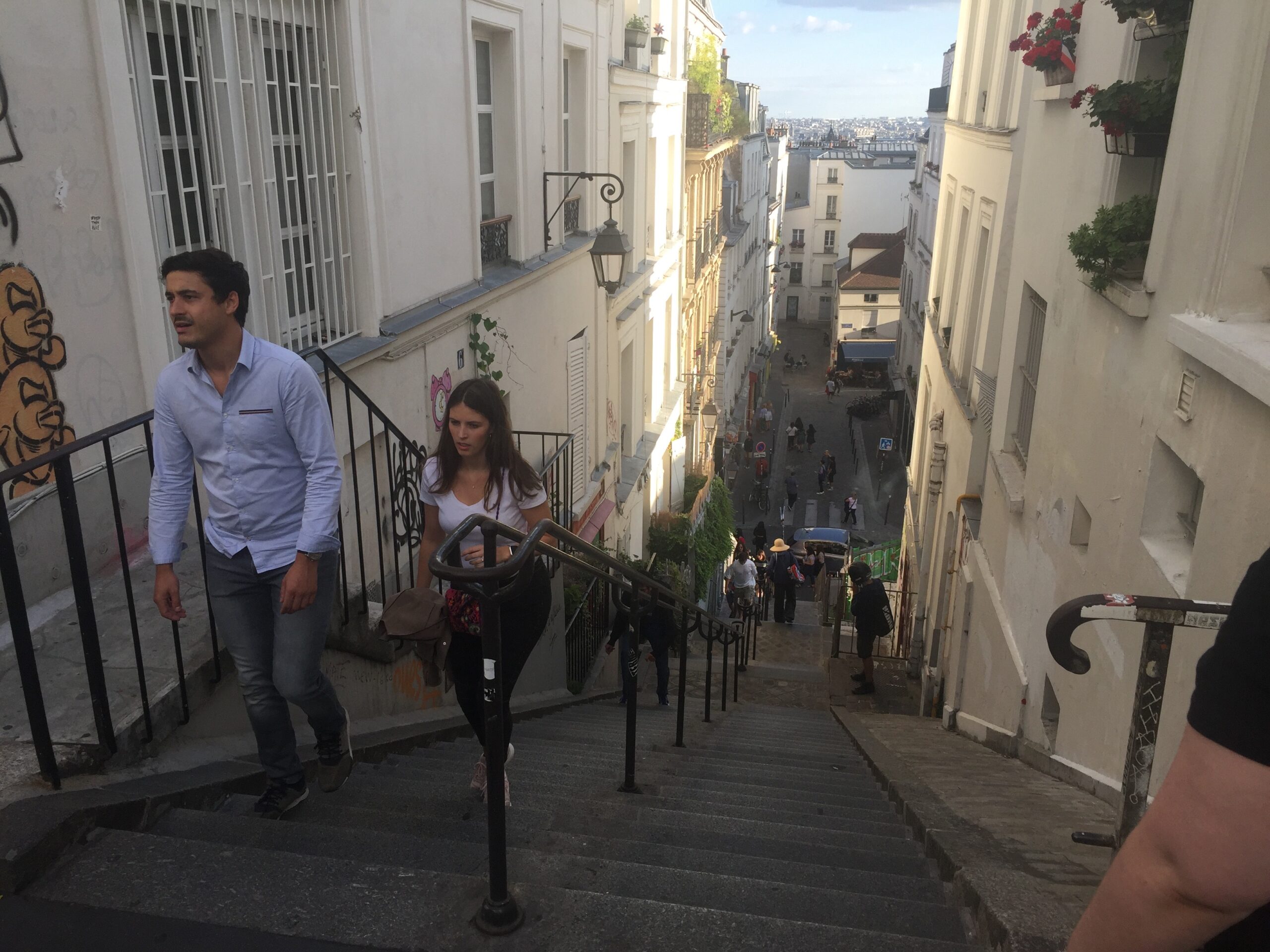
Montmartre has hills and stairs that may affect luggage and mobility. A well-connected hotel farther from a landmark can be practical if the daily route is simple.
Hotel Comparison Checklist: taxes, room size, air conditioning, elevator, station access, breakfast, cancellation policy and luggage storage.
Getting Around Paris
Paris Airport Ground Transportation
Paris has two main airports: Charles de Gaulle (CDG), the larger international gateway, and Orly (ORY), another busy option. Compare fares to both, then check the travel time and total cost of getting from each airport to your hotel. Beauvais (BVA), used by some low-cost airlines, is much farther from Paris, so factor in the extra transfer before choosing a cheaper fare.
For many visitors, rail is the best place to start. It avoids road traffic and connects both main airports with central Paris. The best route depends on where you’re staying, how much luggage you have and when your flight arrives.

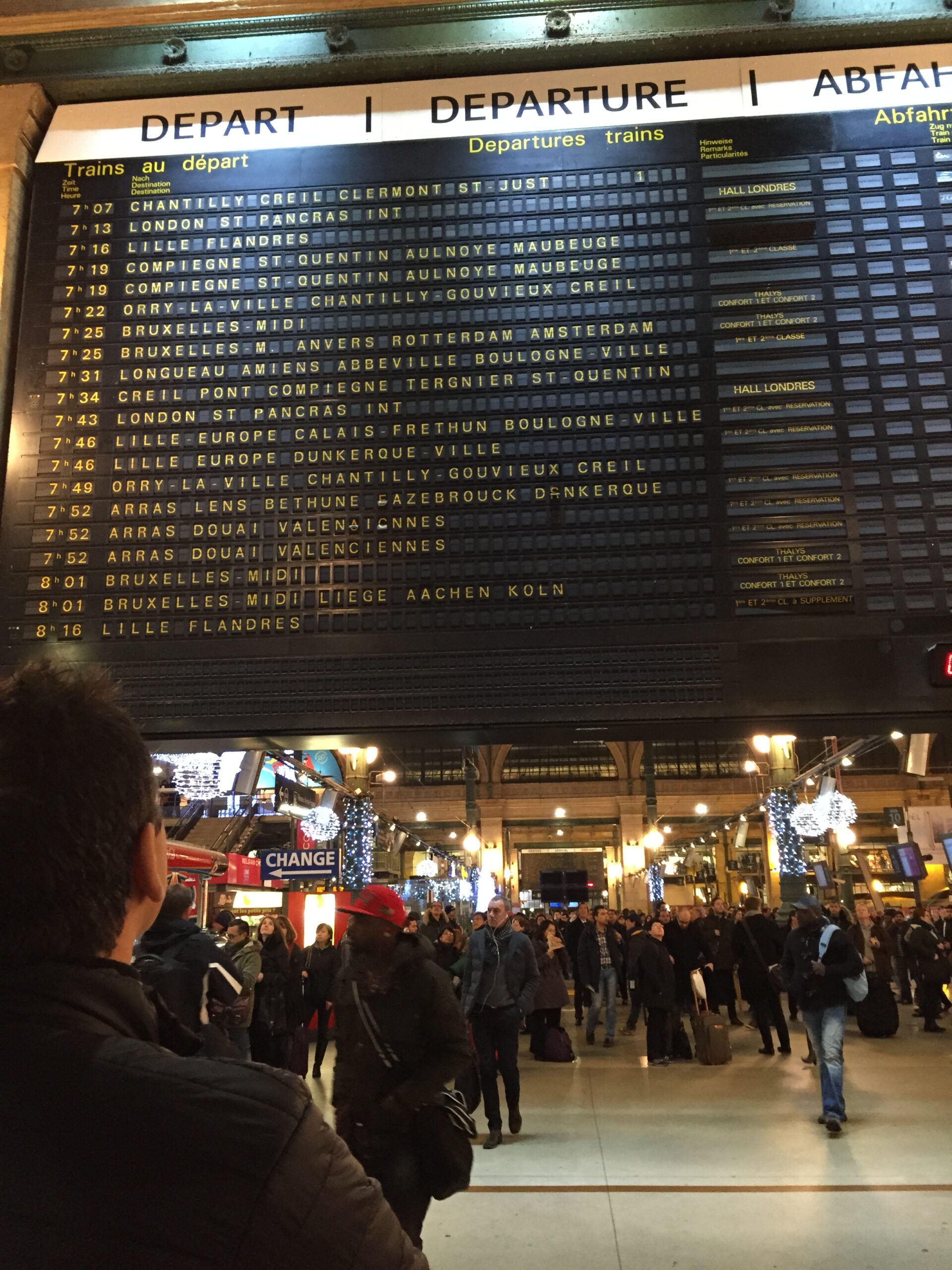
- From Charles de Gaulle: Take the RER B into Paris, with central stops including Gare du Nord, Châtelet–Les Halles and Saint-Michel–Notre-Dame. Follow the signs for the station serving your terminal.
- From Orly: Métro line 14 runs directly from Aéroport d’Orly into Paris, including stops at Gare de Lyon and Châtelet. Orlyval to Antony, followed by the RER B, is another option.
Buy a ticket or pass that covers the airport journey; a standard city ticket does not automatically include it. Check the official airport routes and airport ticket information before you travel, including any planned service changes.
The Paris Métro And Local Transportation
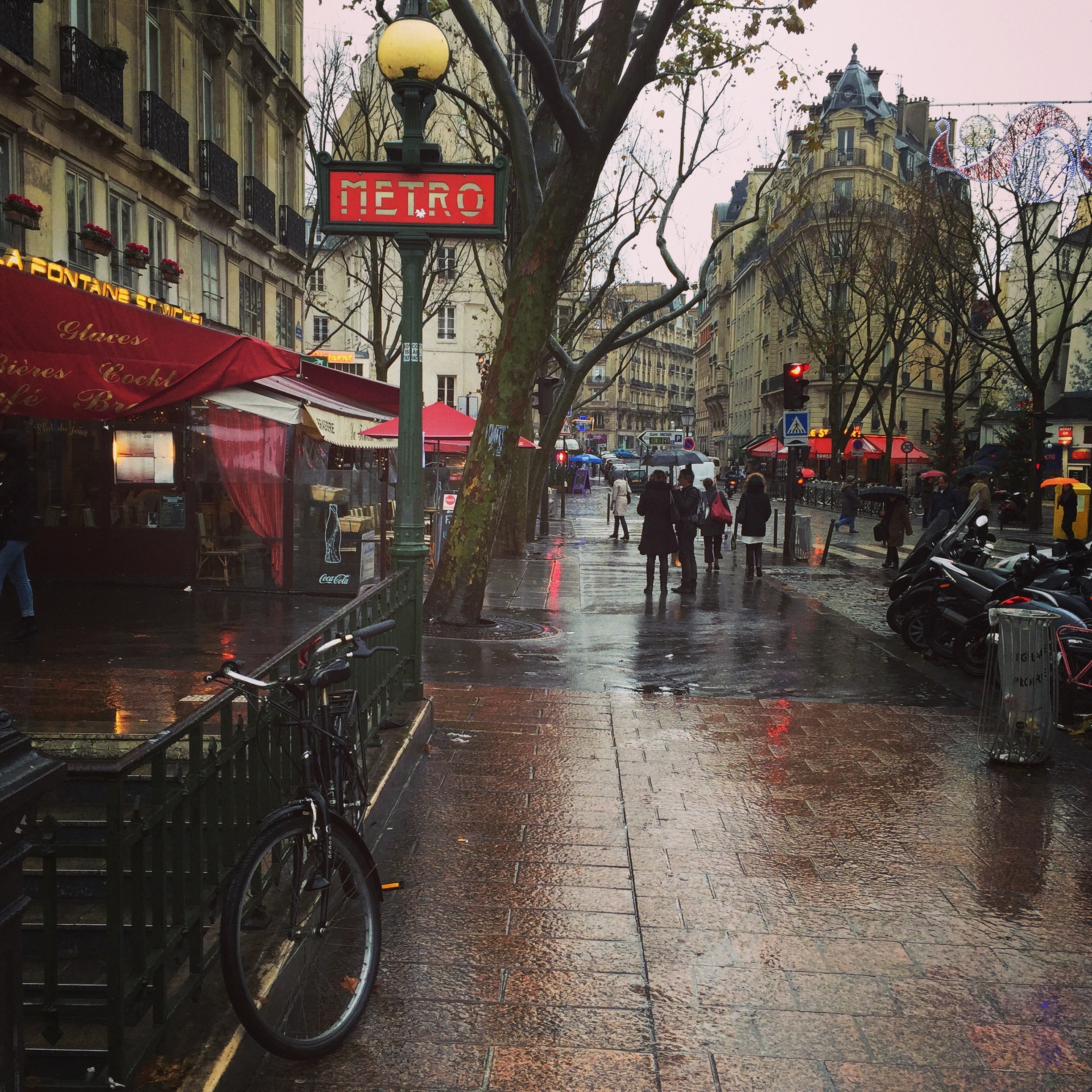
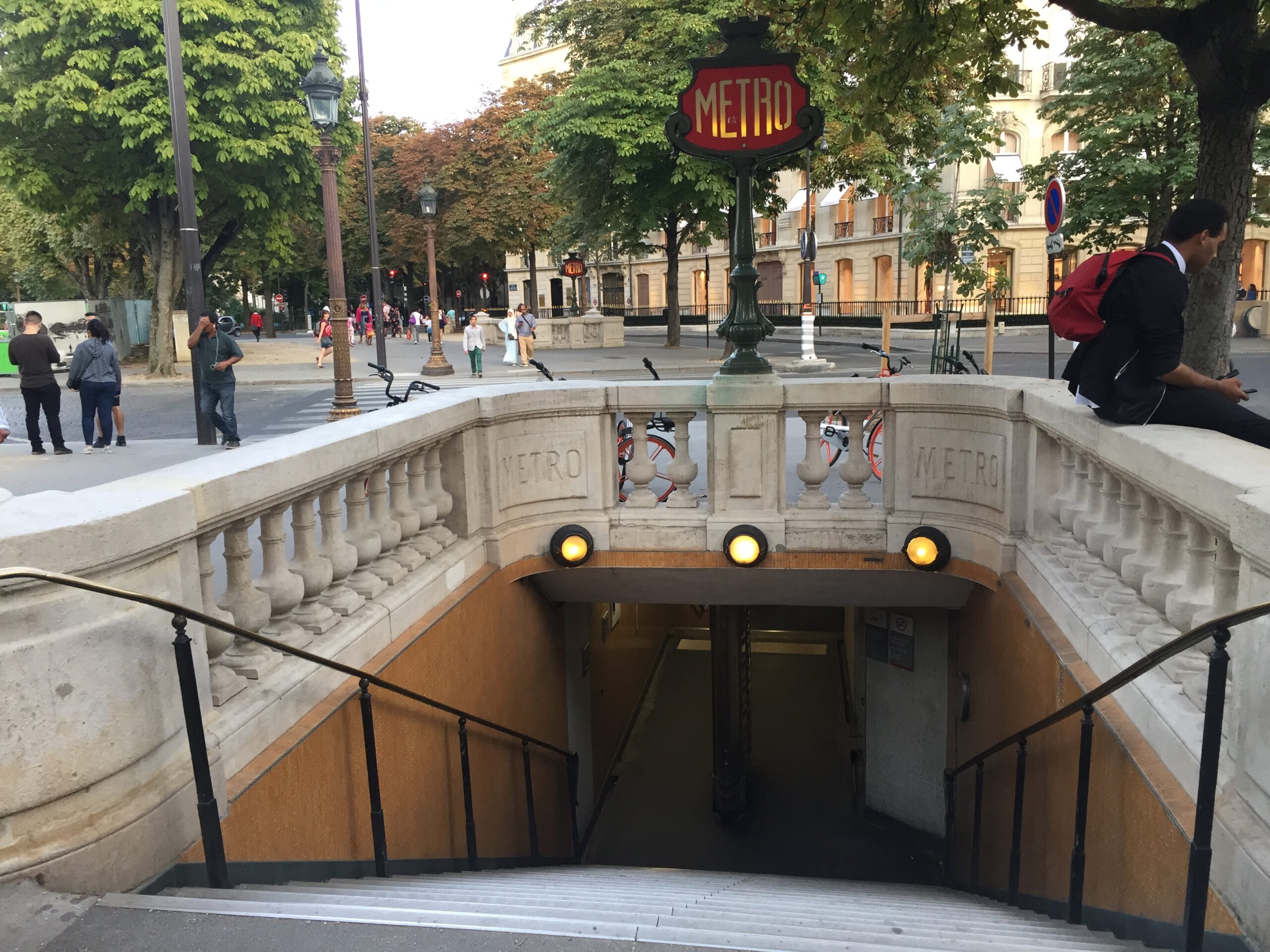

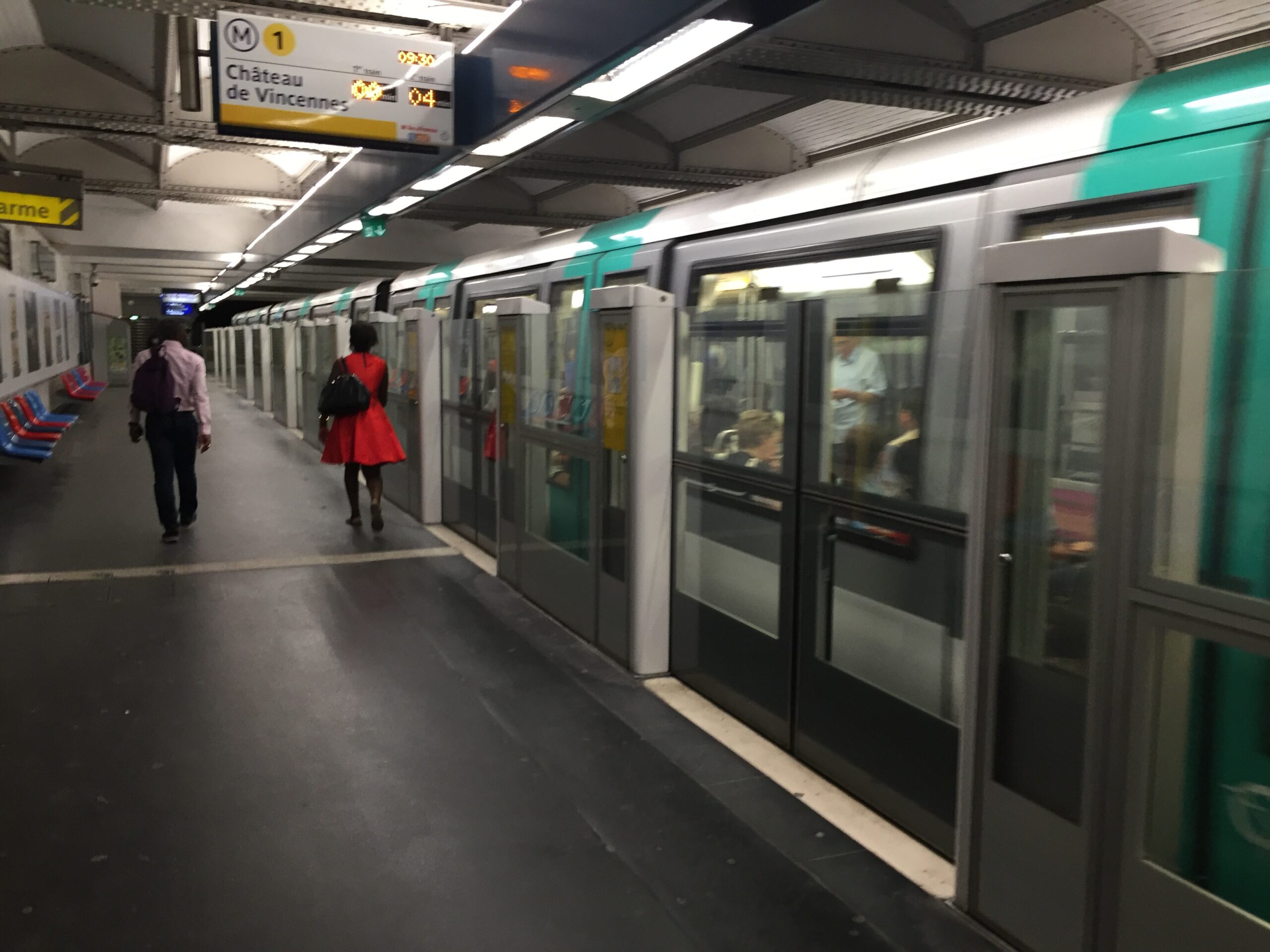
The subway system, called the Métro, is fantastic for getting around Paris. I recommend using it for longer hops across the city, then walking within each neighborhood. The RER connects Paris with the airports and destinations farther out, while buses offer another way to travel above ground.
Check the line number and the final destination shown on the platform so you board in the right direction. Keep each traveler’s ticket or pass separate and available until you have left the system. If stairs are a concern, check the accessibility of the complete route before setting out.
Taxis And App-Booked Rides
Taxis are an option too, especially when you have several bags, tired kids or a hotel that would require awkward transfers. At the airport, follow the signs to the official taxi queue or the designated pickup area for your booked ride. Confirm the destination and fare arrangement before leaving, and allow extra time for road traffic.
Rental Cars In Paris
A rental car is usually unnecessary in central Paris. Walking, Métro and rail are more practical for most visits. Driving is on the right; collect a car when leaving for a road trip if needed and review parking and environmental-zone rules for your route.
Things To Do In Paris
Paris has some of the world’s most famous museums and landmarks. Here are the places I recommend making time for, along with a few honest thoughts from my own visits. Choose your priorities, but leave room for the food, gardens and café stops too.
The Louvre
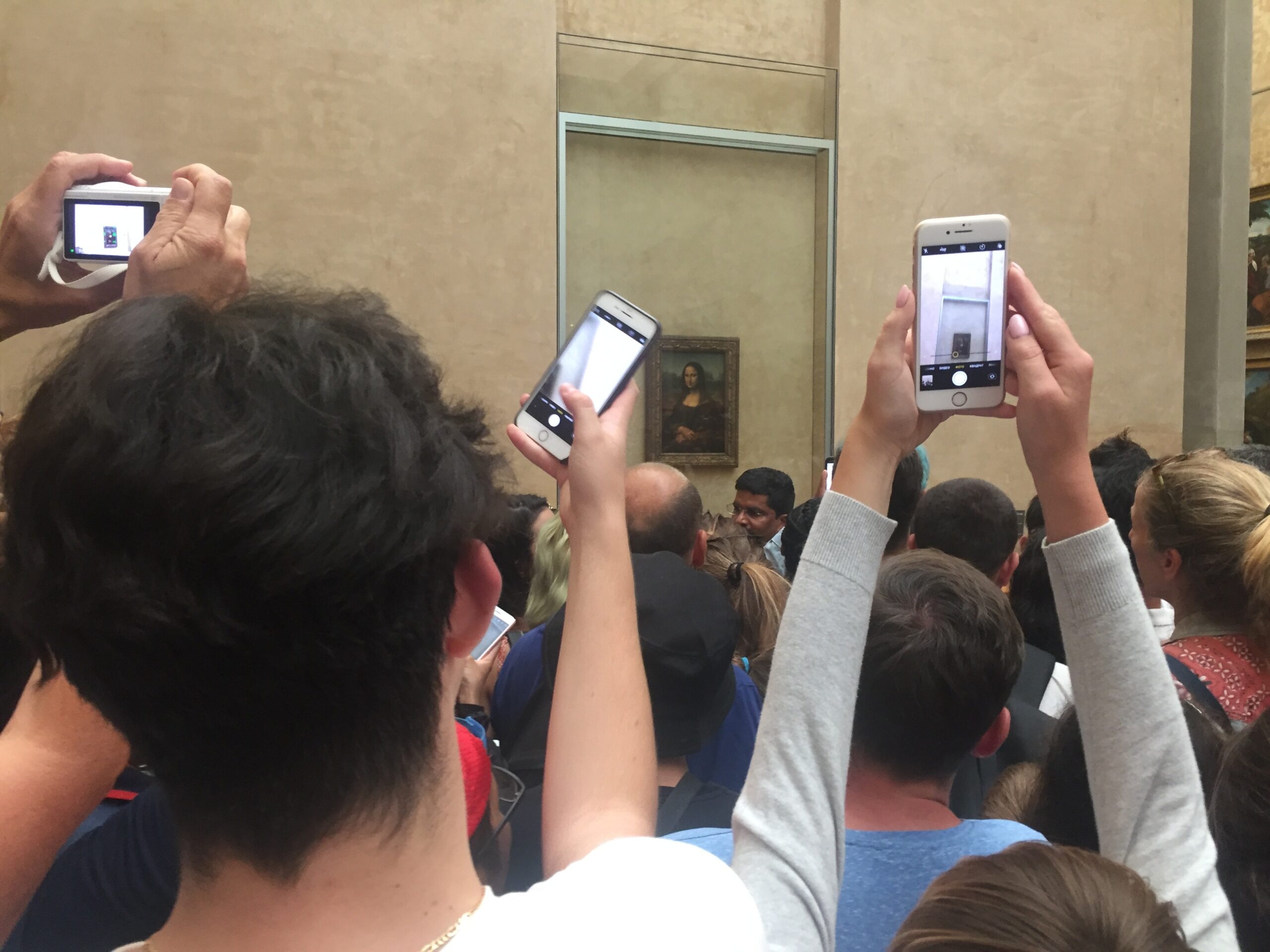
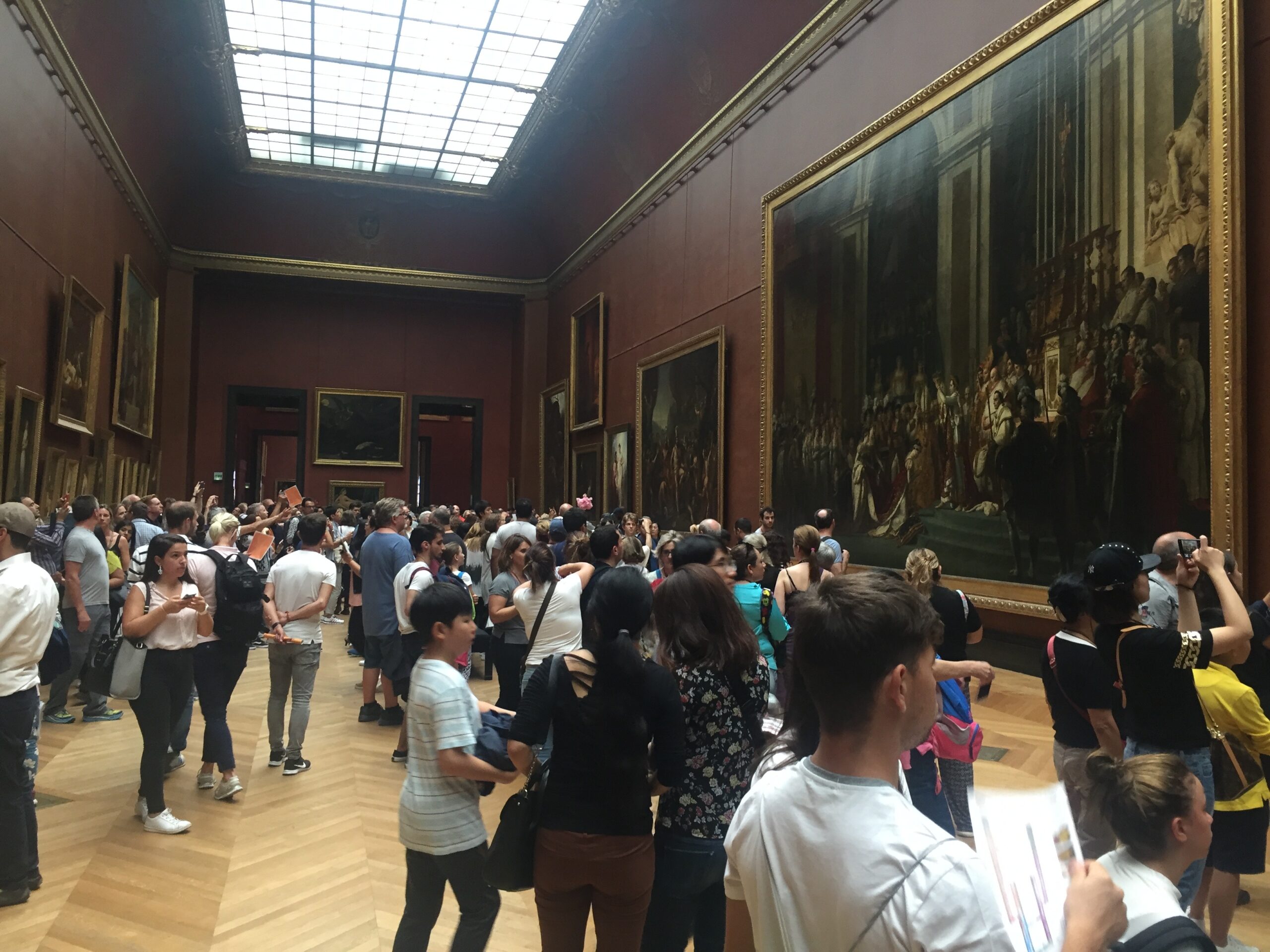
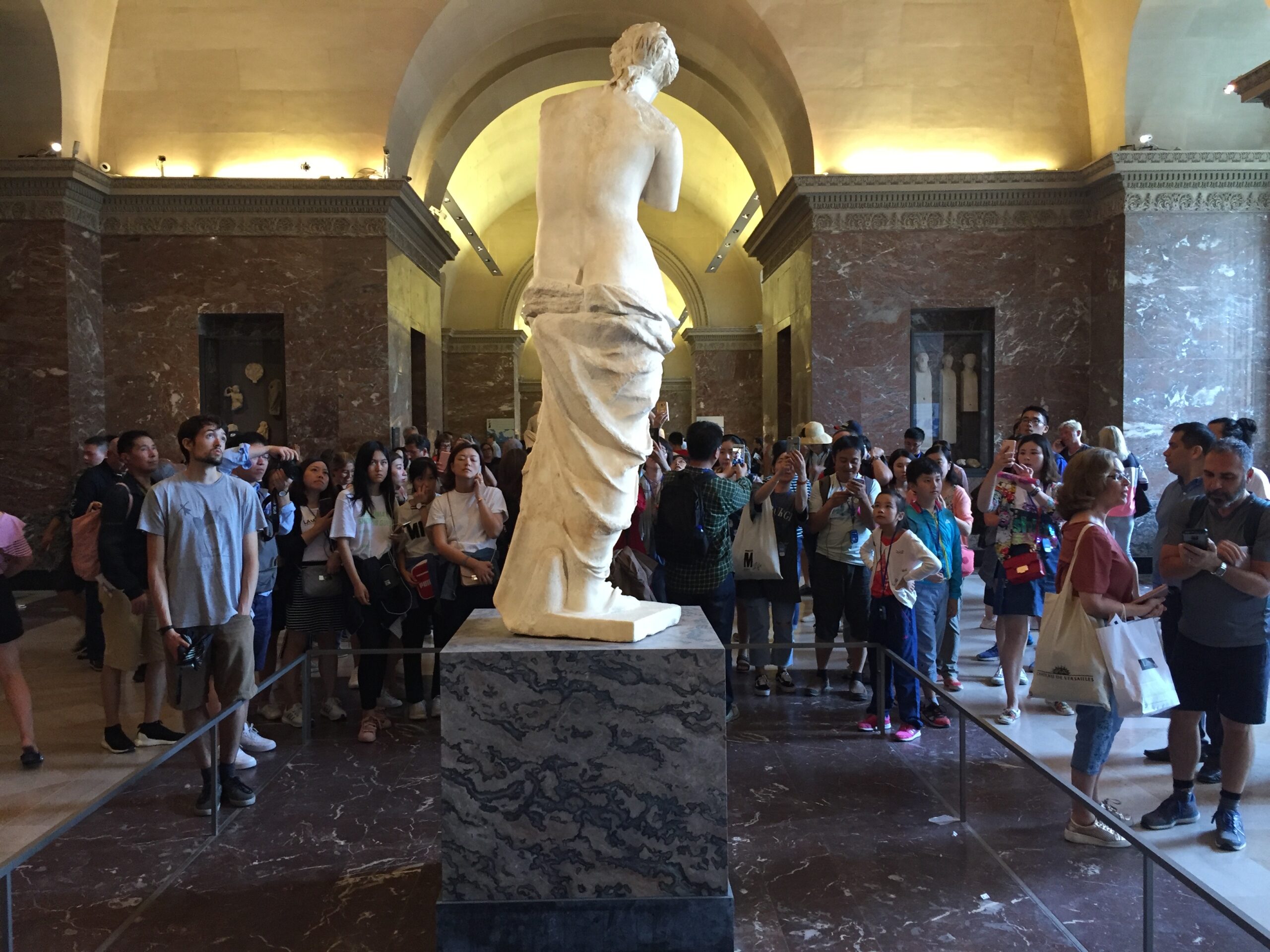

Congratulations! If you’re visiting Paris, you have the opportunity to experience one of the greatest museums on planet Earth.
Incredibly, the Louvre cares for around 500,000 works, with roughly 30,000 on display, according to the museum’s published figures. Its regular schedule adds up to 60 hours a week. Even if you viewed each of those 30,000 works for just 60 seconds with no breaks, that would take 500 hours, or more than eight full weeks of opening hours. Seriously! And that doesn’t even include walking between them.
It’s here where you can see the most famous painting in the world: Leonardo da Vinci’s Mona Lisa. Warning: The painting is tiny compared with its reputation. Having seen it in countless TV shows and movies, you’d think a painting that has made such a huge impact on pop culture would be, well, huge. But it’s not.
Does that make it not worth seeing? No! Of course you need to see it. I’ve been told to skip the Mona Lisa because it’s small and there are large crowds huddled around it. So what? If you’re coming all the way to Paris and into the Louvre, you need to see this.
My recommendation is to enter the museum and make a beeline for the Mona Lisa, then pick two or three other masterpieces you want to take in. The Winged Victory of Samothrace is another highlight. While you’re in the Mona Lisa’s room, turn around and take in Veronese’s enormous The Wedding Feast at Cana. Now that one is huge.
Make time for the Venus de Milo, too. This celebrated ancient Greek marble sculpture is generally identified as Aphrodite, the goddess of love and beauty. The Louvre dates it to around 150–125 B.C. More than 2,000 years old and still one of the museum’s biggest stars!
Another masterpiece to seek out is Eugène Delacroix’s Liberty Leading the People, painted in 1830. The woman raising the French flag represents Liberty, leading people over a barricade during the July Revolution of 1830. That’s a different uprising from the French Revolution of 1789. It’s an image you may recognize before you even read the label.
Or plan your visit around one of the museum’s own guided tours, preferably a highlights tour that introduces its top treasures. Save time with a great deal on reserved entry and guided tour tickets below.
Of course you can get a museum map and explore on your own, and yes, there are audio guides too. But to me, nothing beats a knowledgeable guide who adds their own flavor and answers your questions. It makes for a richer experience.
I recommend spending the day here, but if you only have a few hours, still go. It’s one of the world’s best museums.
Musée d’Orsay


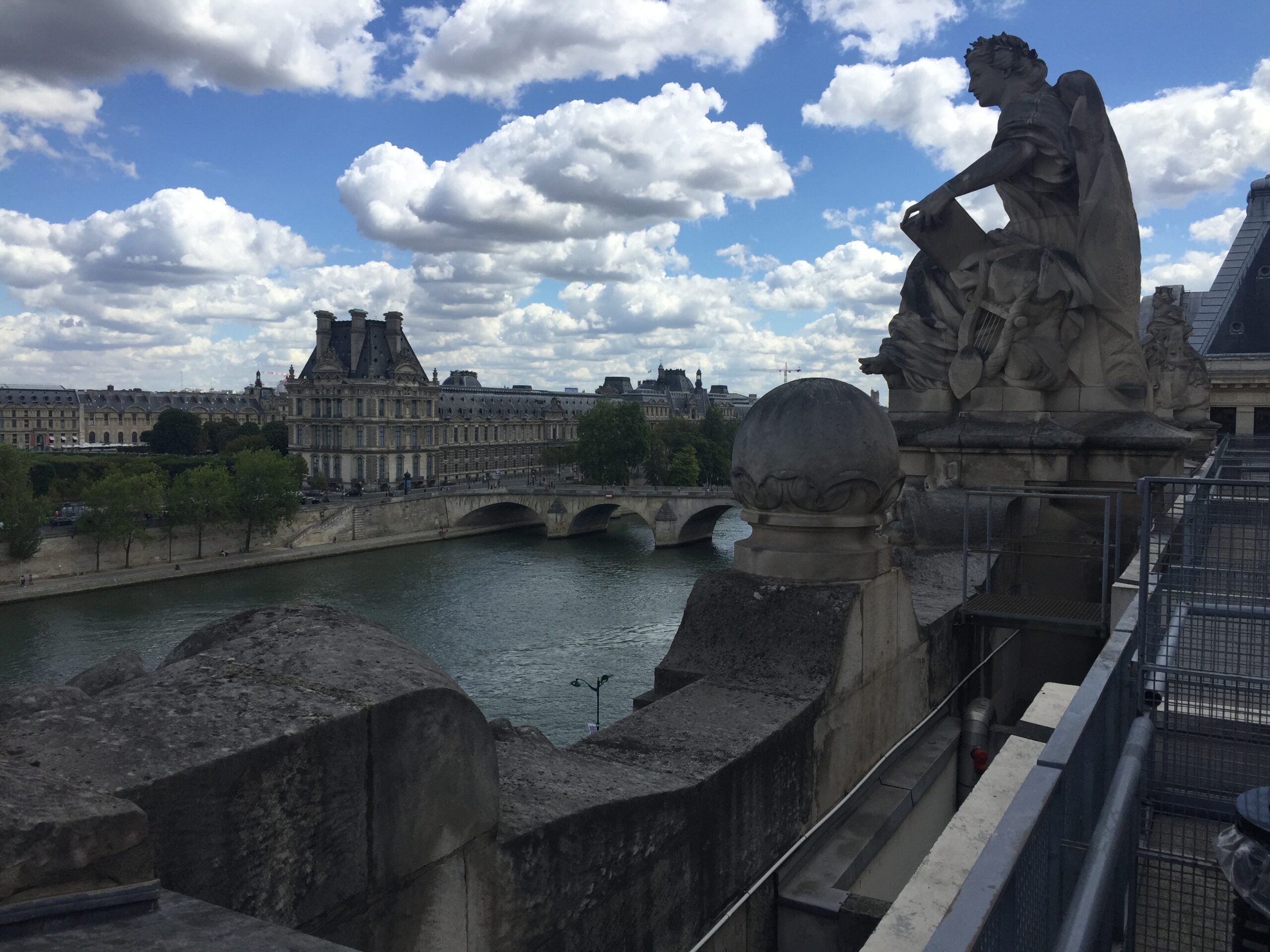
All aboard! The Musée d’Orsay is a train station turned world-class art museum.
And it’s a must-see in my opinion.
The Musée d’Orsay houses the world’s largest collection of Impressionist and Post-Impressionist art. Its treasures include Édouard Manet’s Olympia, Vincent van Gogh’s Starry Night Over the Rhône and his 1889 self-portrait. Check the museum’s collection listings if a particular painting is a must-see, since works can move or go on loan.
When I’ve visited, it has felt calmer and less busy than some of Paris’s other major museums. That’s my experience, of course, and it can still draw a crowd. Give yourself time to look closely instead of rushing from one famous name to the next.
Located beside the Seine, the museum also offers wonderful views across the river from its upper levels. In the warmer months, check out La Terrasse du Musée d’Orsay for views over the rooftops and a bite to eat. The food is quite good, too. The terrace is seasonal, weather-dependent and accessible with a museum ticket.
Some background: This building was originally a grand Beaux-Arts railway station called the Gare d’Orsay, built for the 1900 Universal Exhibition. Those enormous clocks are reminders that passengers once came here to catch their trains. The building reopened as a museum in 1986, with much of its original architecture preserved.
Between the paintings, the great central hall and the clocks, the building itself is part of the experience.
See below for a great deal on a ‘Skip The Line’ ticket with a tour for the Orsay.
Musée De L’Orangerie
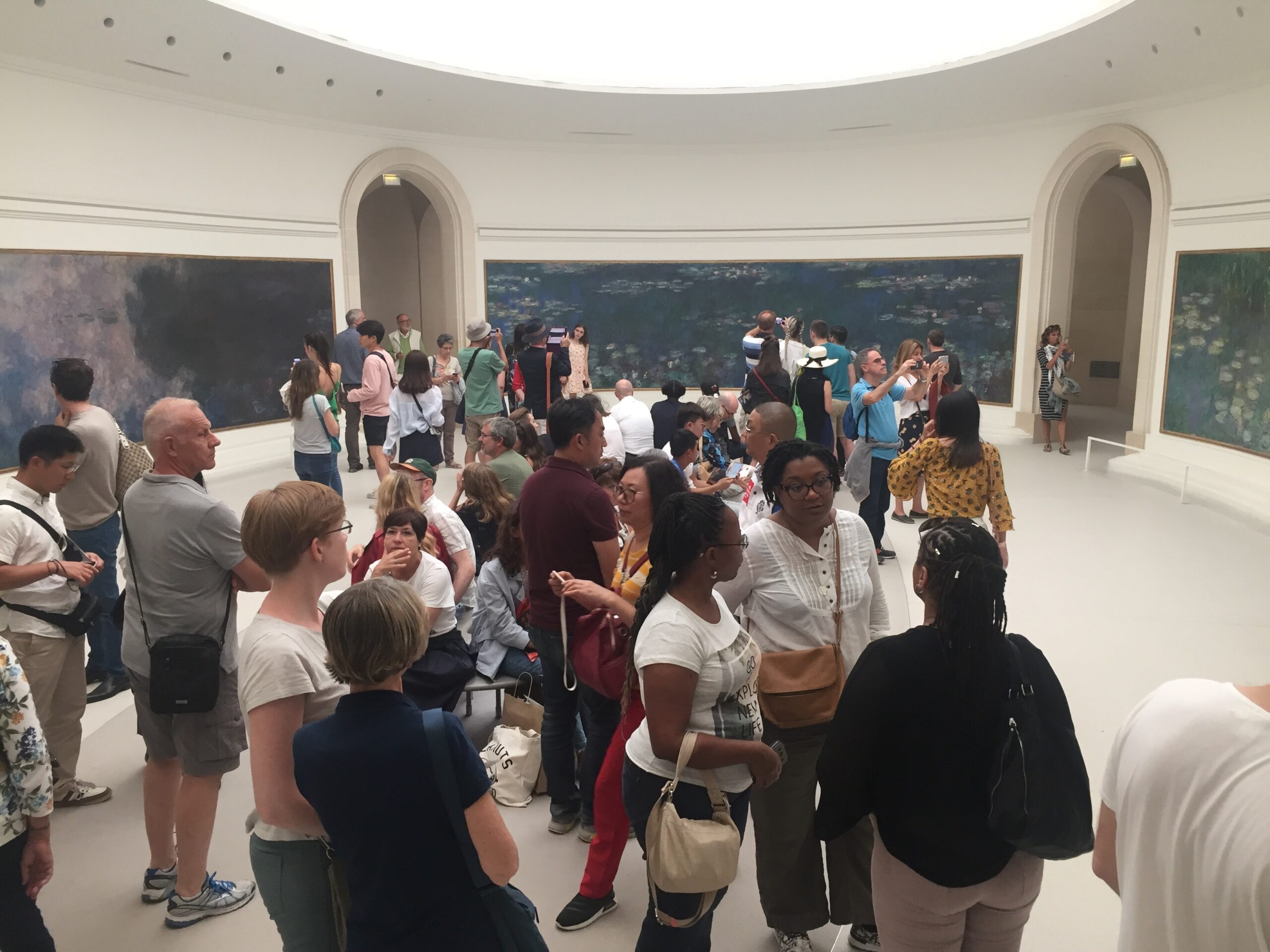

More than 150 years ago, in 1852, Napoleon III had this long glass-fronted structure built not to house art, but oranges.
Hence, the name “Musée de l’Orangerie.”
The building was not constructed to store or process harvested oranges, though. It was built to protect delicate orange trees that decorated the Tuileries Palace gardens from the cold winter weather.
Citrus lovers, I am sorry to disappoint, but there are no oranges here today. Instead, you’ll find priceless works of art.
Seeing Claude Monet’s Water Lilies in real life is absolutely worth it. They’re massive. These aren’t little pictures of lily pads that you glance at and move on from.
The museum displays eight large Water Lilies compositions across the curved walls of two oval rooms. Monet designed the installation to surround the viewer, so give yourself time to sit down and take it in. The light, water and reflections feel very different at this scale.
The Orangerie is in the Tuileries Garden, making it an easy pairing with a garden stroll. Read about Monet’s Water Lilies installation and check the museum’s admission arrangements before visiting.
Arc De Triomphe
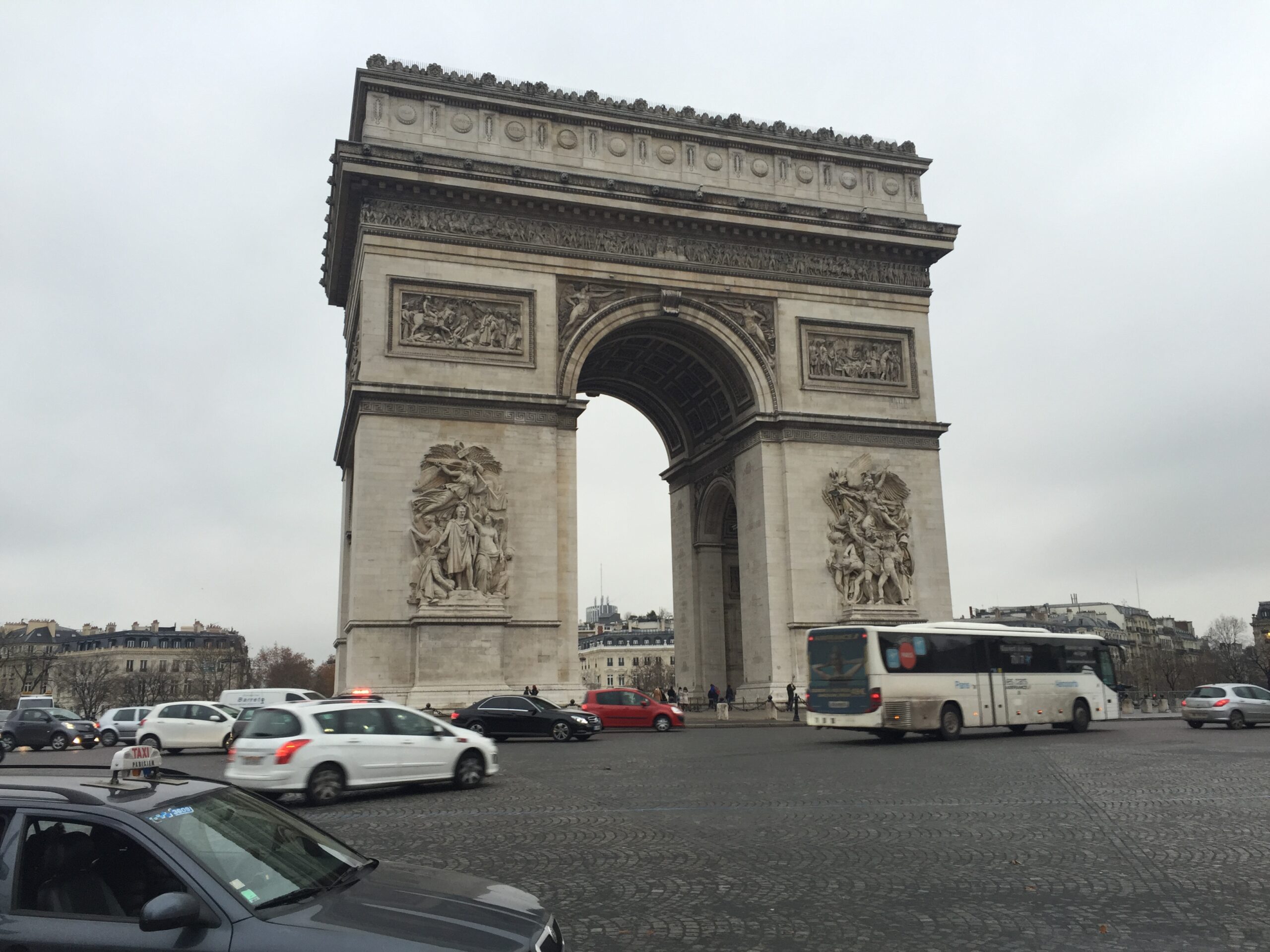
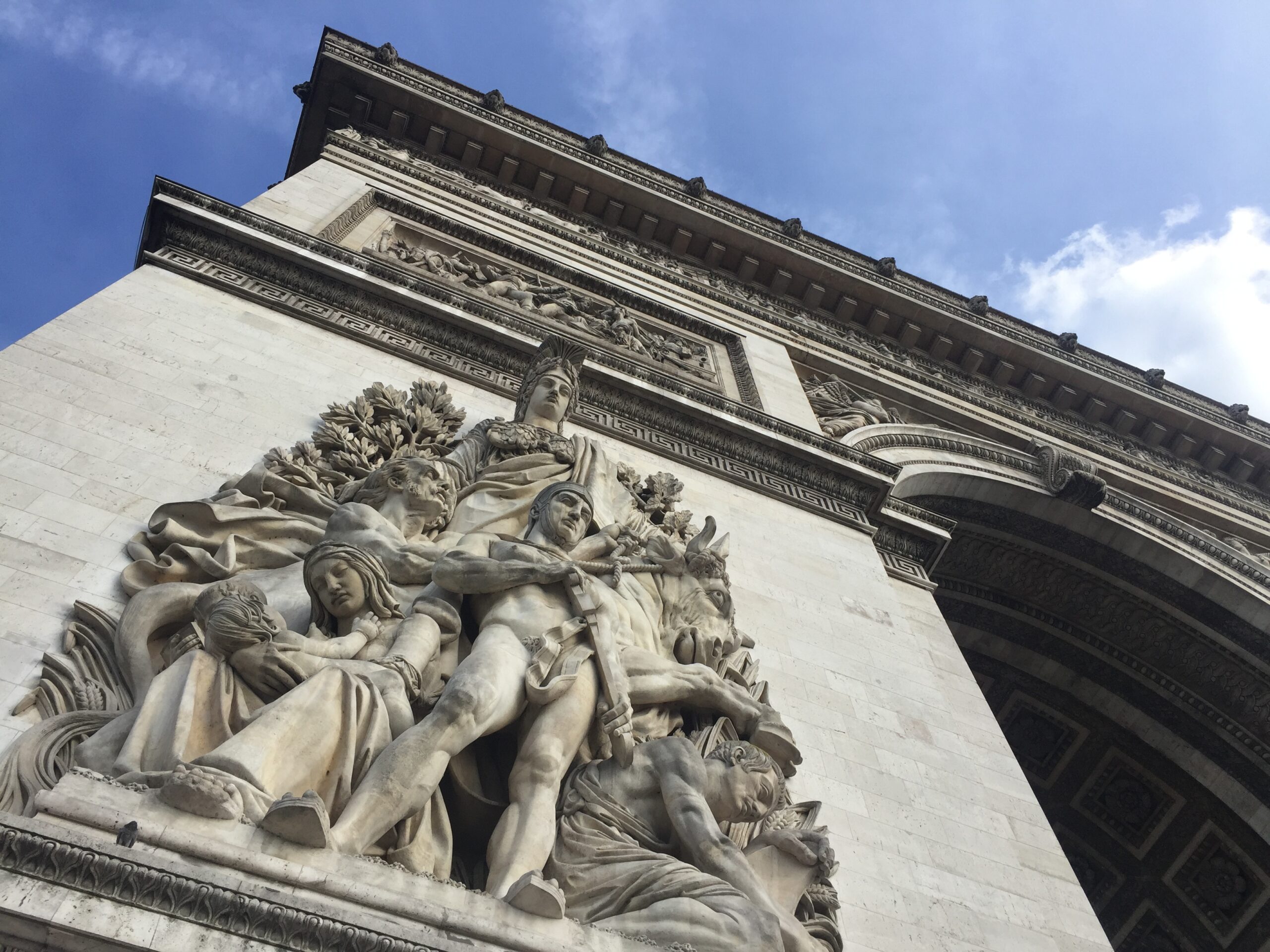
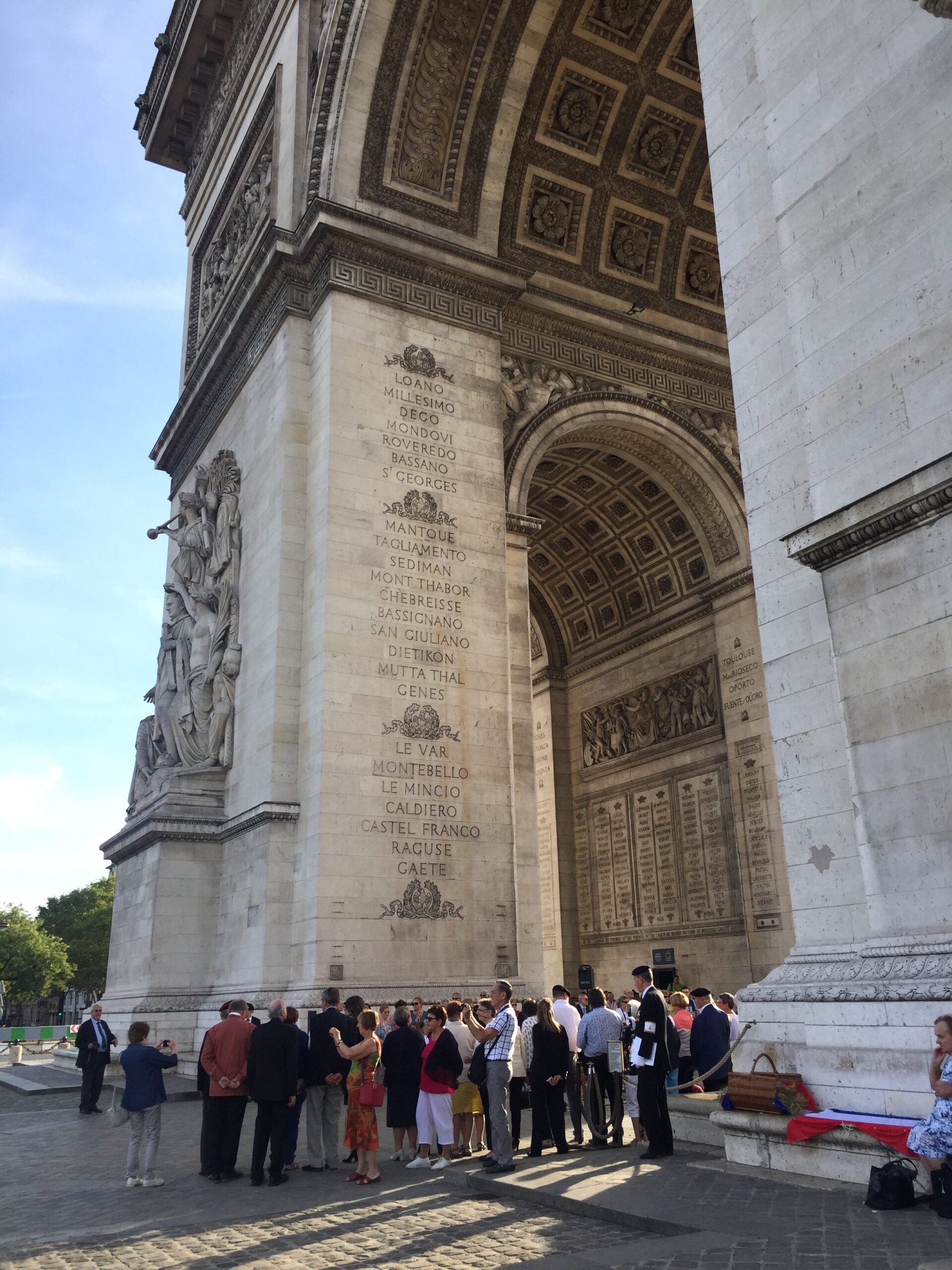
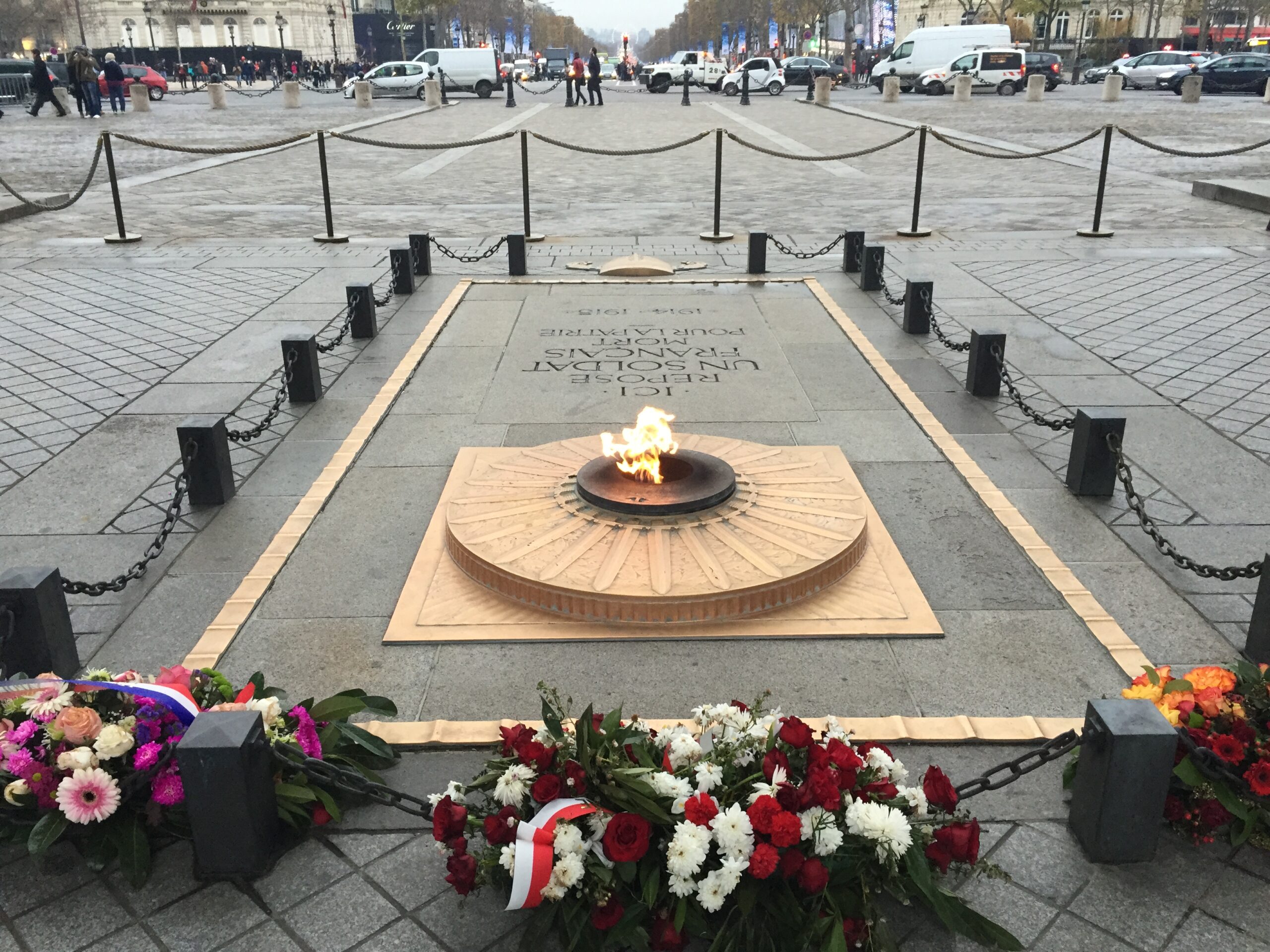
The Arc de Triomphe is an amazing structure. Huge. Commissioned by Napoleon in 1806 and completed in 1836, it stands at the western end of the Champs-Élysées and honors France’s military history.
The Tomb of the Unknown Soldier lies beneath the arch. It holds the remains of an unidentified French soldier killed in World War I, chosen to represent the many fallen soldiers whose names or graves were never known. His coffin arrived at the monument on November 11, 1920, and he was buried beneath the arch on January 28, 1921.
The Flame of Remembrance was first lit on November 11, 1923. It is intended to burn continuously, fueled by a piped supply of natural gas. The monument’s official history describes it as never extinguished since its first lighting. Each evening at 6:30 p.m., a ceremony symbolically rekindles the flame. This is a renewal of remembrance, not a nightly routine of turning it off and starting over.
The flowers and wreaths are tributes laid by veterans’ associations, officials and other participants to honor those who died for France. Ceremonies can include wreath-laying, military music and a moment of silence. Take a moment yourself, too. This is an active place of remembrance, so respect the barriers, keep your voice down and give those paying their respects space.
A very busy traffic circle surrounds it. Use the underground Passage du Souvenir to reach the monument, with access from the Champs-Élysées or Avenue de la Grande-Armée. Do not try to walk across the roundabout.
Some of the best photos are from a safe sidewalk across from the monument, where you can fit the full arch into the frame.
Champs-Élysées
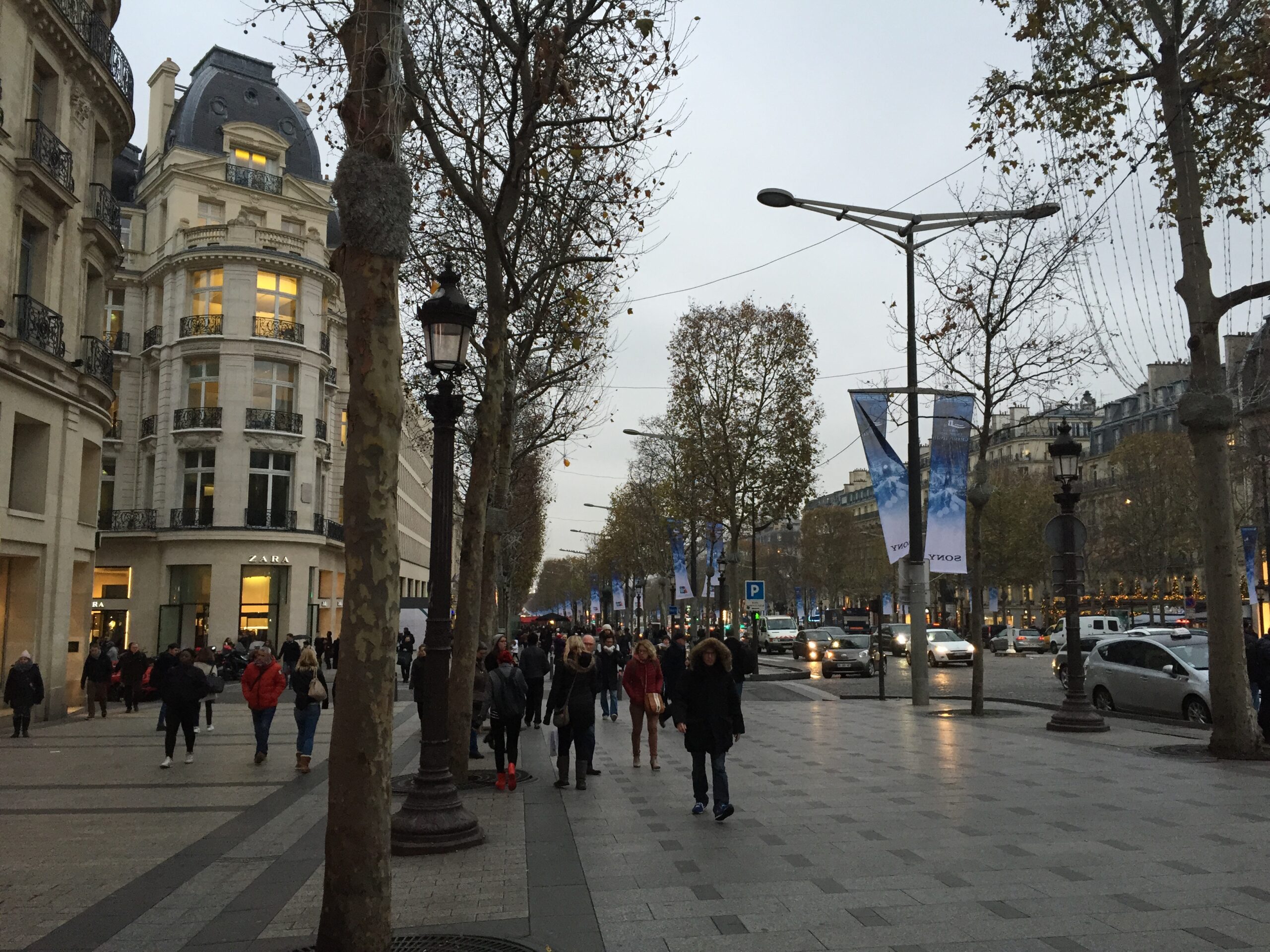

The Champs-Élysées is to Paris what Fifth Avenue is to New York City or what Rodeo Drive is to Beverly Hills, California.
That is, it’s a major thoroughfare lined with luxury shopping. Only this street famed for shopping is located in Paris, the “Fashion Capital of the World.”
Indeed, the Champs-Élysées is one of the world’s most recognizable avenues, running from Place de la Concorde toward the Arc de Triomphe. It’s known for its broad perspective, shops, cafés and big-city bustle.
Personally, I would skip a long shopping stroll here if time is tight. When I visited, the number of people asking for money took away from the experience for me. You may feel differently, especially if the shopping is part of the appeal.
If you want to see the avenue without making it a major stop, combine a short walk with your visit to the Arc de Triomphe. Then give yourself more time in the neighborhoods, museums or gardens you’re most excited about.
Notre-Dame Cathedral
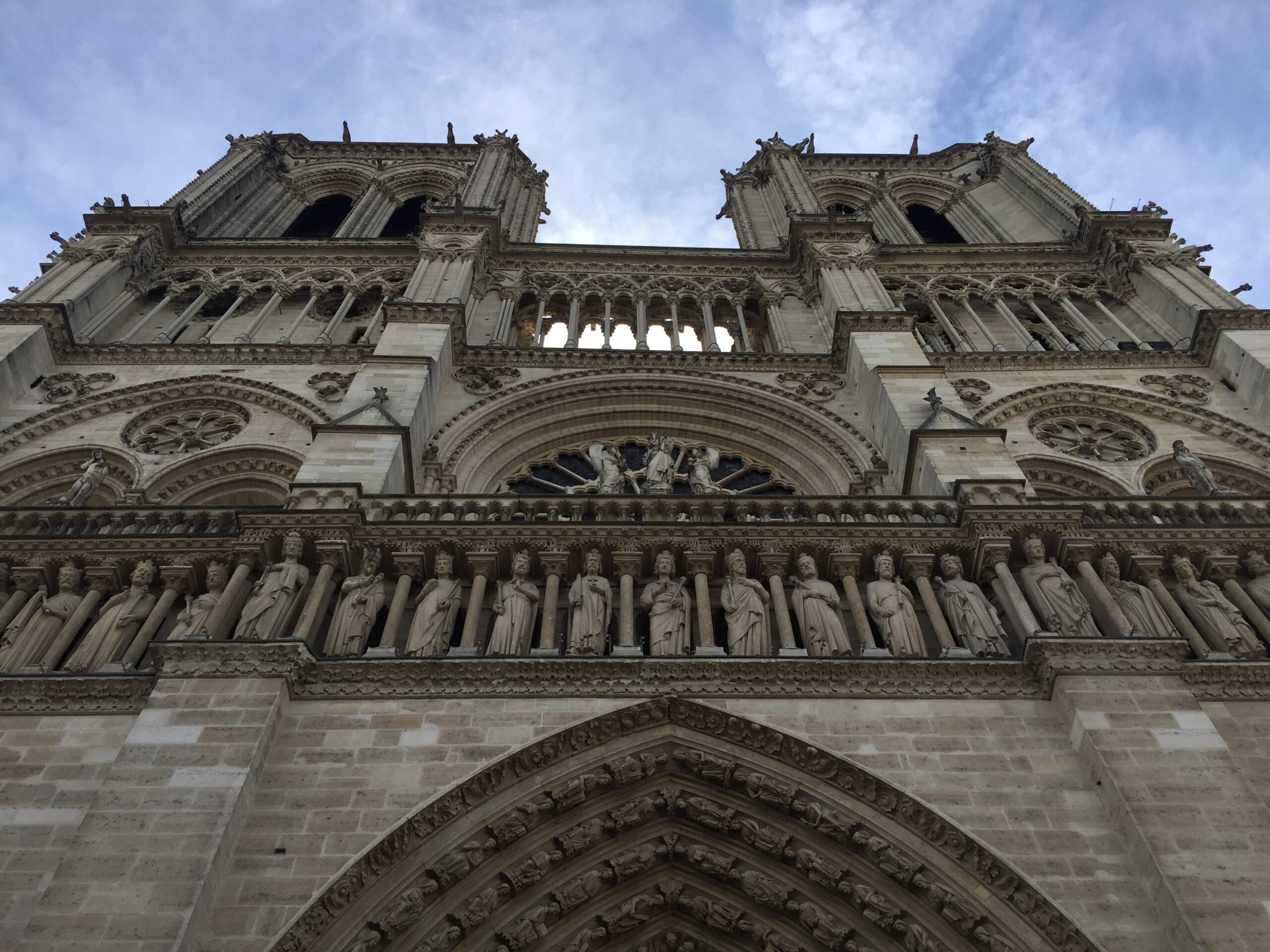


Notre-Dame Cathedral is one of the world’s most famous places of worship and a top landmark in the city of Paris.
Famed French author Victor Hugo published The Hunchback of Notre-Dame in 1831, which Disney adapted into a full-length animated musical in 1996. It follows the story of Quasimodo, the shy bell ringer who lives in the cathedral and falls in love with a beautiful young woman named Esmeralda. He longs to be accepted by a world that judges him for looking different.
Such a huge, iconic church. Notre-Dame stands on the Île de la Cité, an island in the Seine, and is one of the great landmarks of Gothic architecture. Construction began in the 12th century, and its towers, rose windows and sculpted façade have become part of the image of Paris itself.
Following the devastating 2019 fire and years of restoration, the cathedral reopened in December 2024.
Remember that this is an active place of worship. Take your time, respect services and allow a little space in your day to walk along the river afterward.
Admission to Notre-Dame is free, but I highly recommend a guided tour so you can really understand what you’re looking at. After all, there is so much architectural, artistic, religious and pop culture significance here that you would get more out of a live guide. See below for a great deal on a guided tour of Notre-Dame.
A Cruise On The River Seine
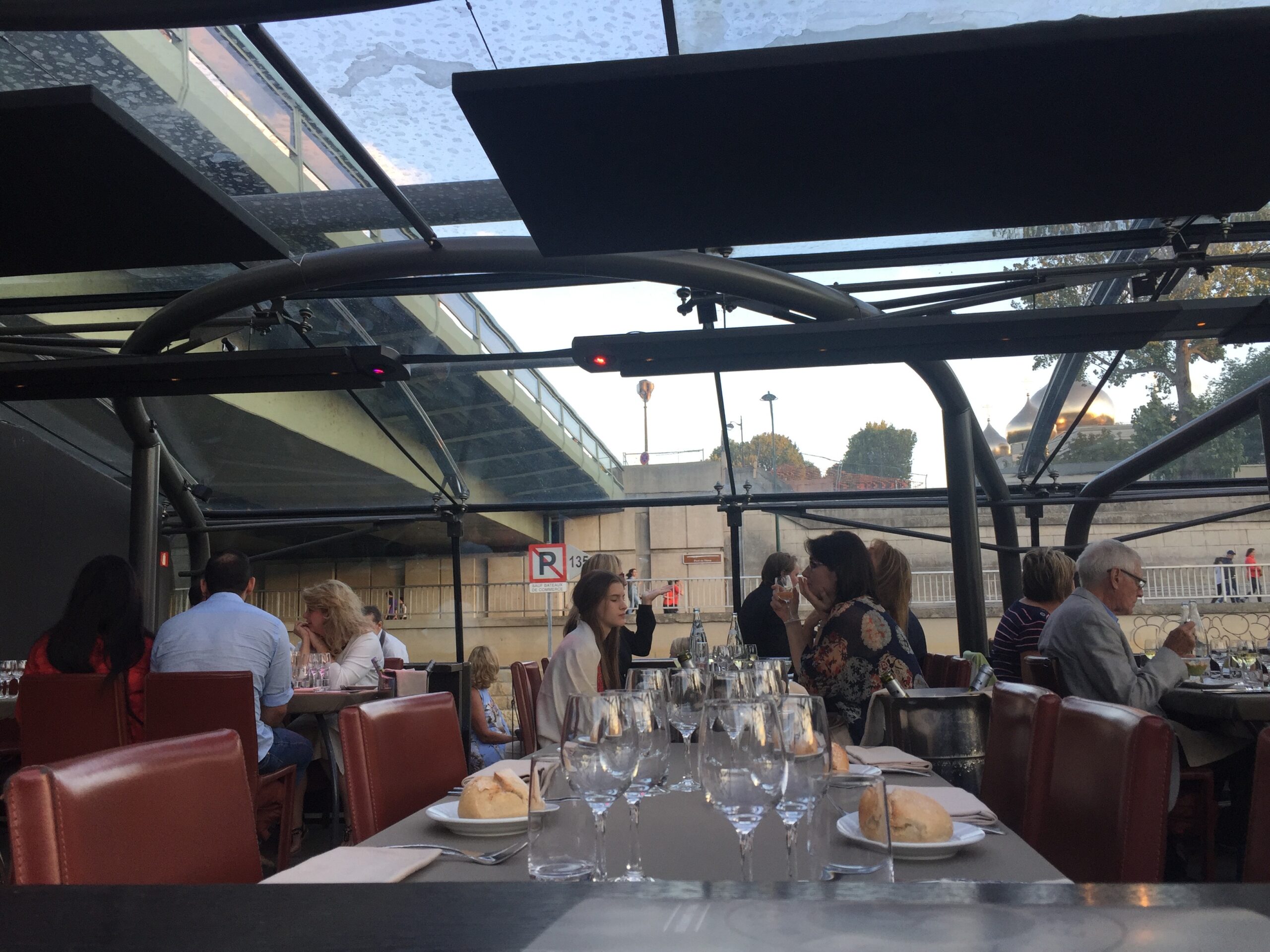
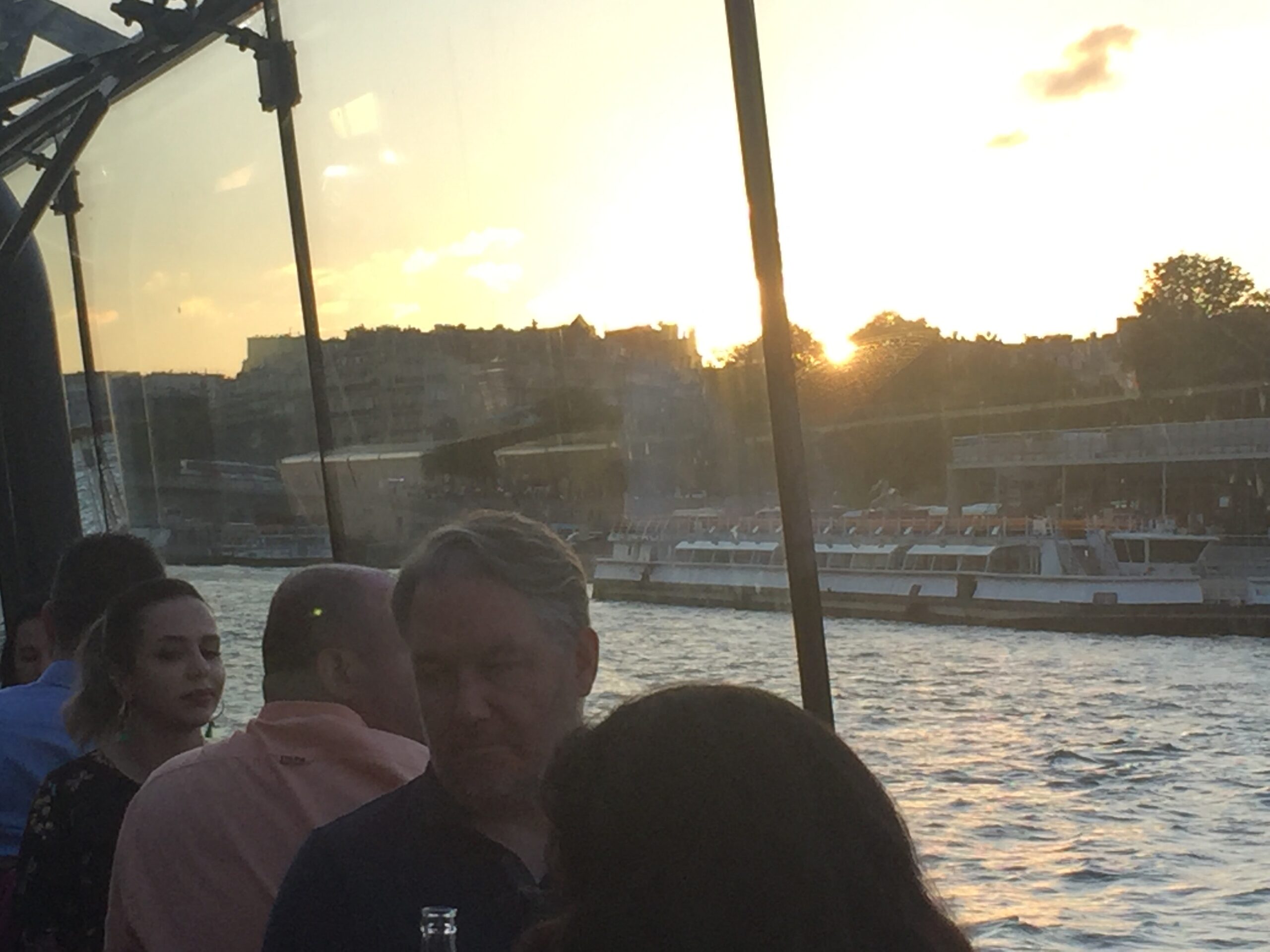
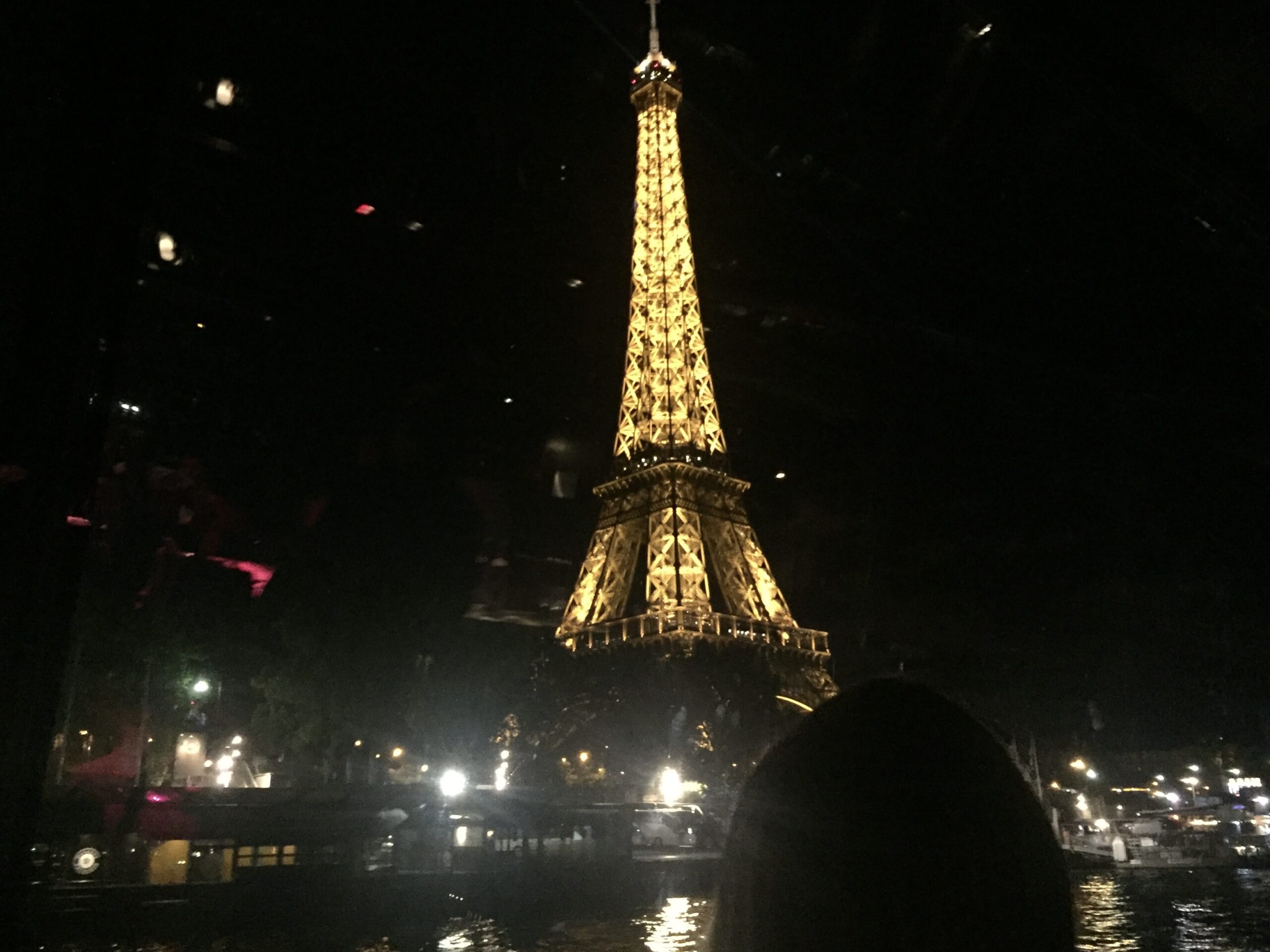
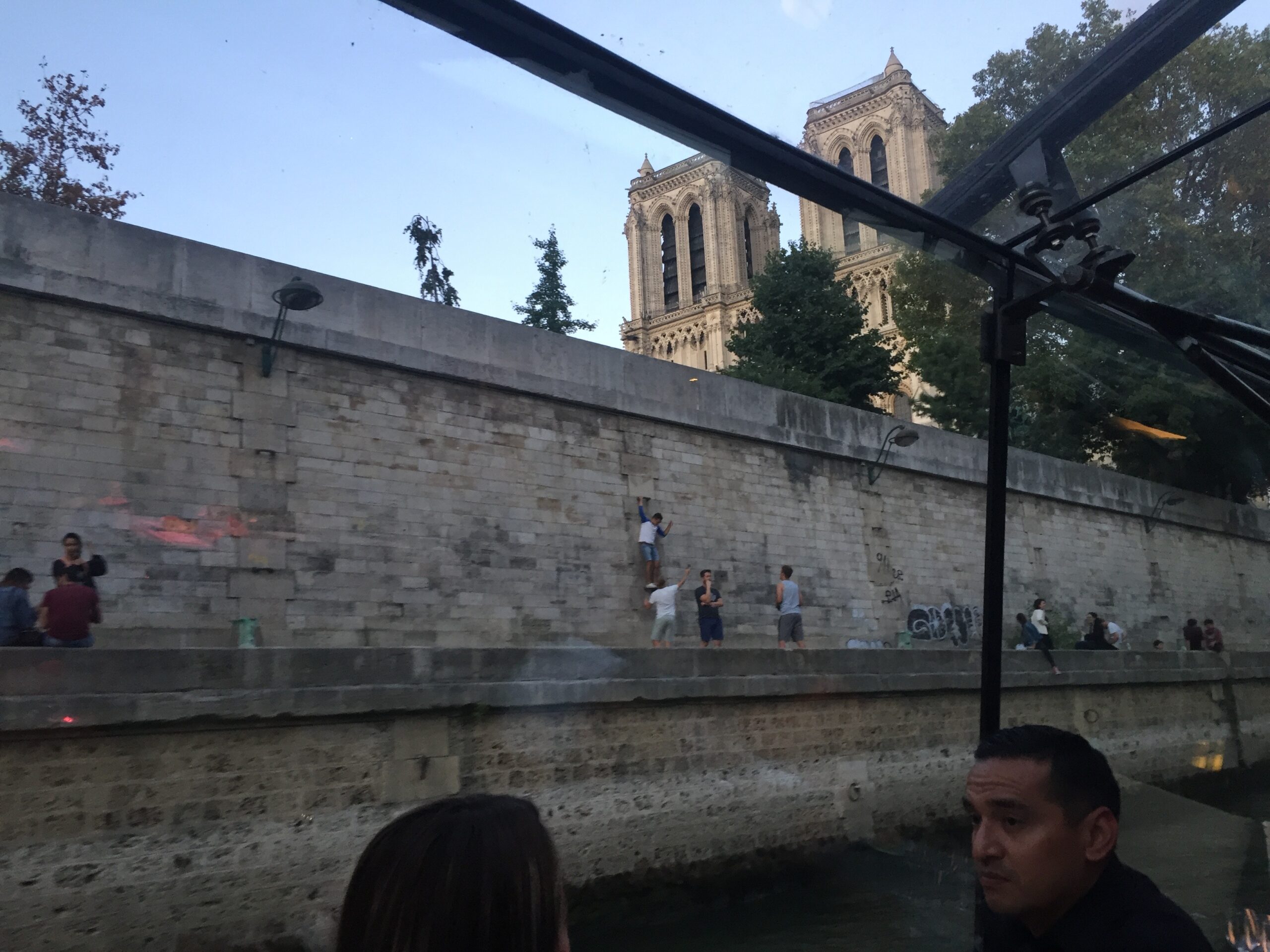
Paris is the “City of Love,” so what’s more romantic than a slow-moving cruise down the River Seine?
But it’s not just for couples. Everyone will enjoy a cruise down the Seine.
After all, seeing Paris’s bridges and landmarks from the water gives you a different view of a city you may already have walked through for hours.
A sightseeing cruise can bring the Eiffel Tower, the Louvre’s riverside façade and the area around Notre-Dame into one relaxed outing.
Many cruises last about an hour, while meal cruises generally take longer. Choose the experience you actually want: a simple ride with commentary, a sunset outing or a meal on board.
I did the full meal at sunset and it was outstanding. The food was very good. The wine was excellent. And it was a great way to see the city while relaxing on the boat. A very memorable experience.
Check the departure pier, route, duration and what your ticket includes before booking. Boats do not all leave from the same place, and river conditions can change routes. If a cruise is a priority, reserve it around your other plans for the day.
The Paris Catacombs
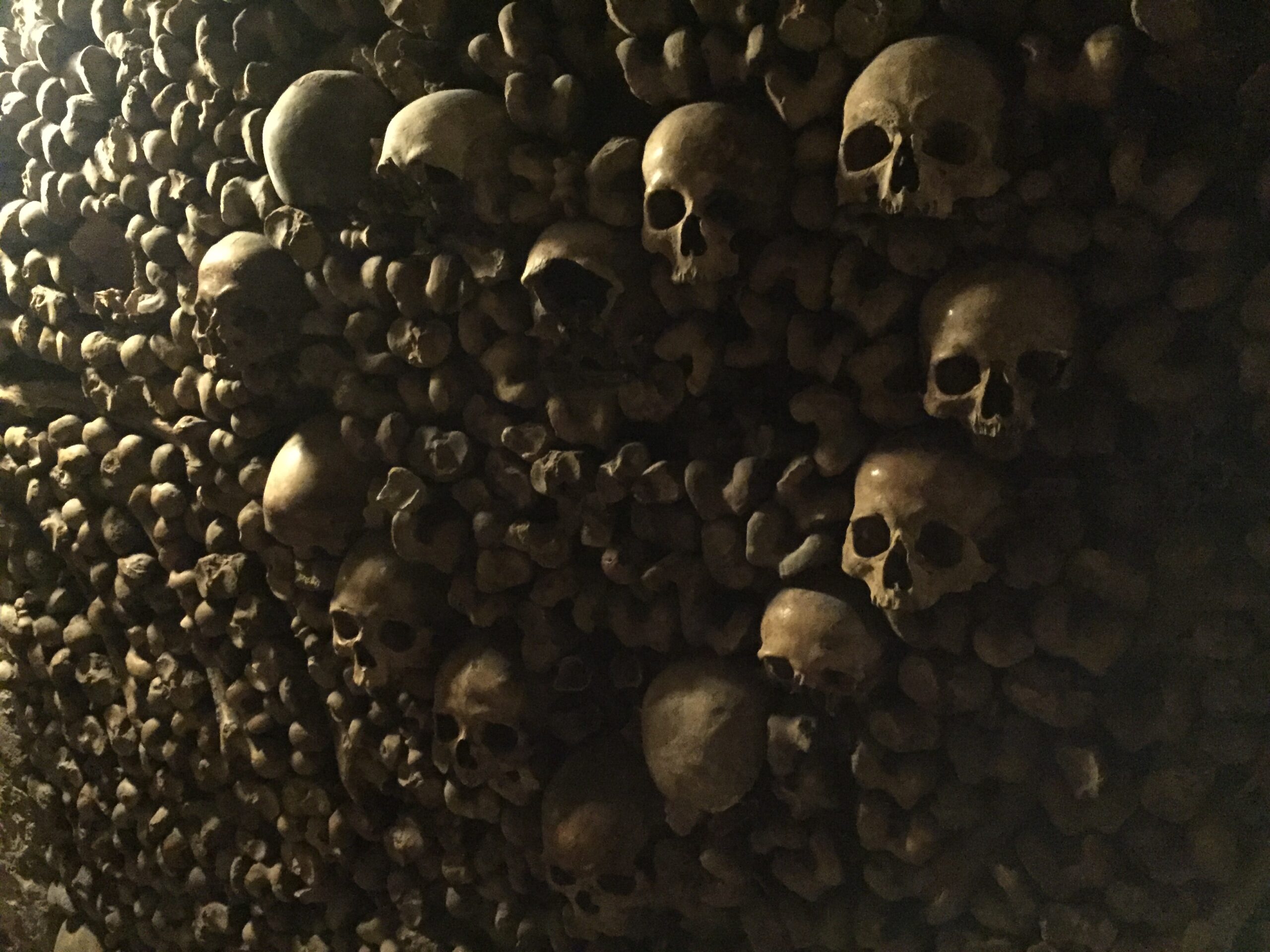
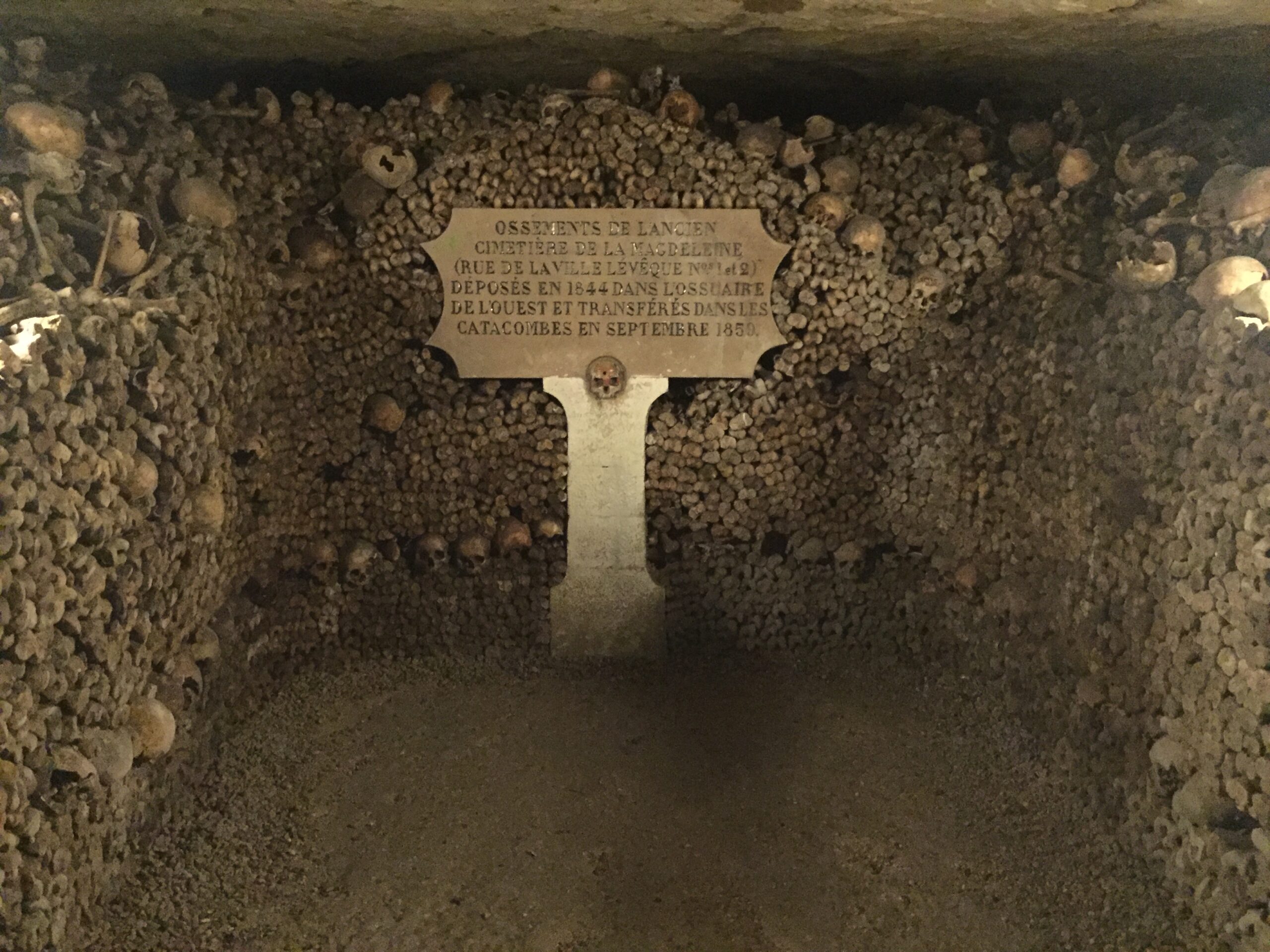
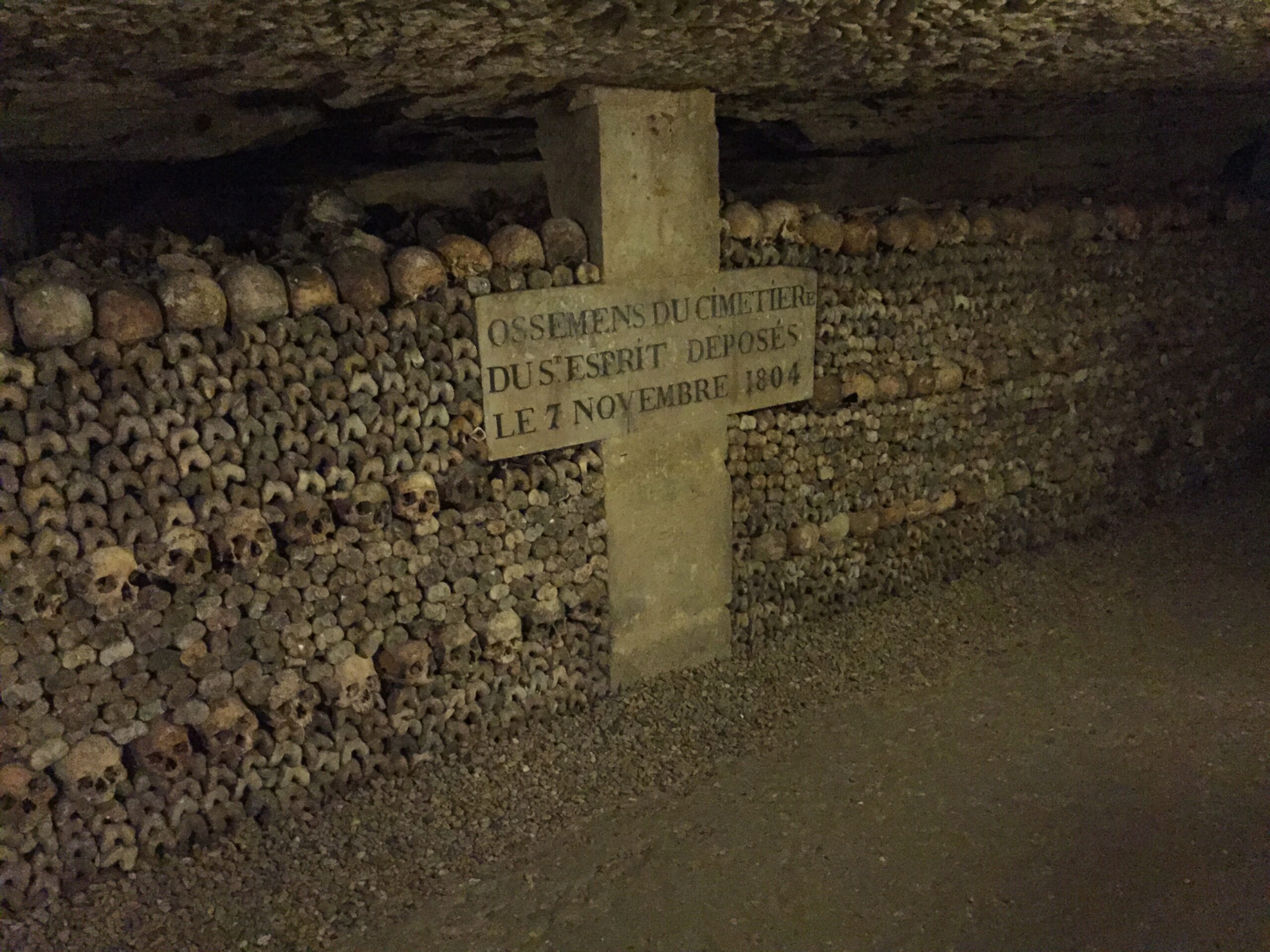
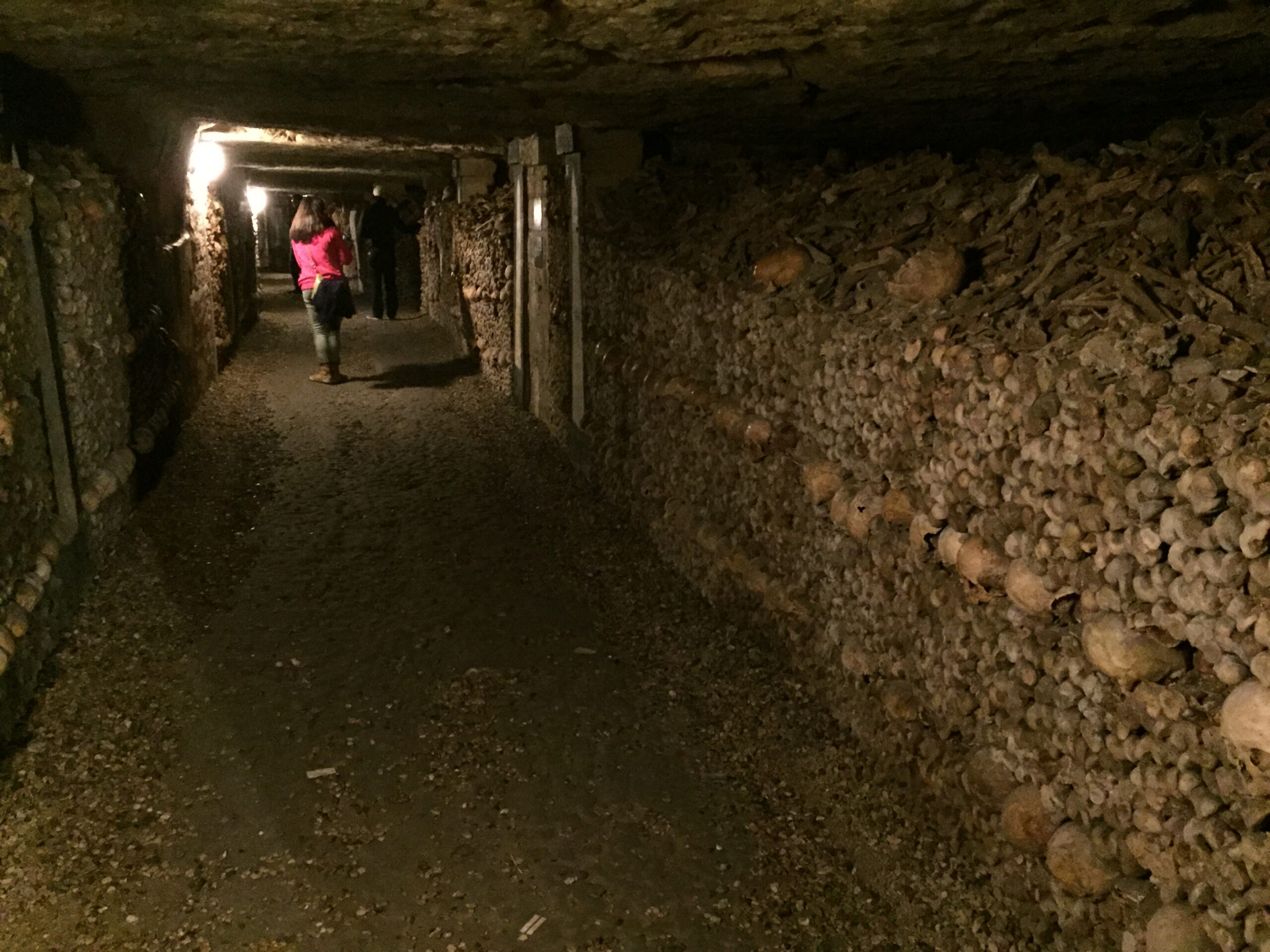
This attraction might not be for everyone and to be honest, it’s a little macabre.
I always wanted to visit the Catacombs after seeing a picture and reading about them in my fifth-grade social studies book. And while the visit was interesting, the realization that the skulls and bones around me belonged to real people was a little disturbing.
The Catacombs occupy former underground quarries that became an ossuary as remains were moved out of overcrowded Paris cemeteries. It’s an unusual piece of the city’s history, but this is also a burial place. Treat it with respect.
Once you’re underground, you follow a roughly 1.5-kilometer route to a separate exit. There are 131 steps down and 112 steps back up, with no step-free route. The space is cool and can be humid, and the visit takes about an hour.
If enclosed spaces or human remains make you uncomfortable, this may not be the stop for you. The Catacombs’ official guidance also advises against visits for people with mobility disabilities or cardiac or respiratory insufficiency.
Below is a great deal on a guided tour in English of the Catacombs.
The Eiffel Tower
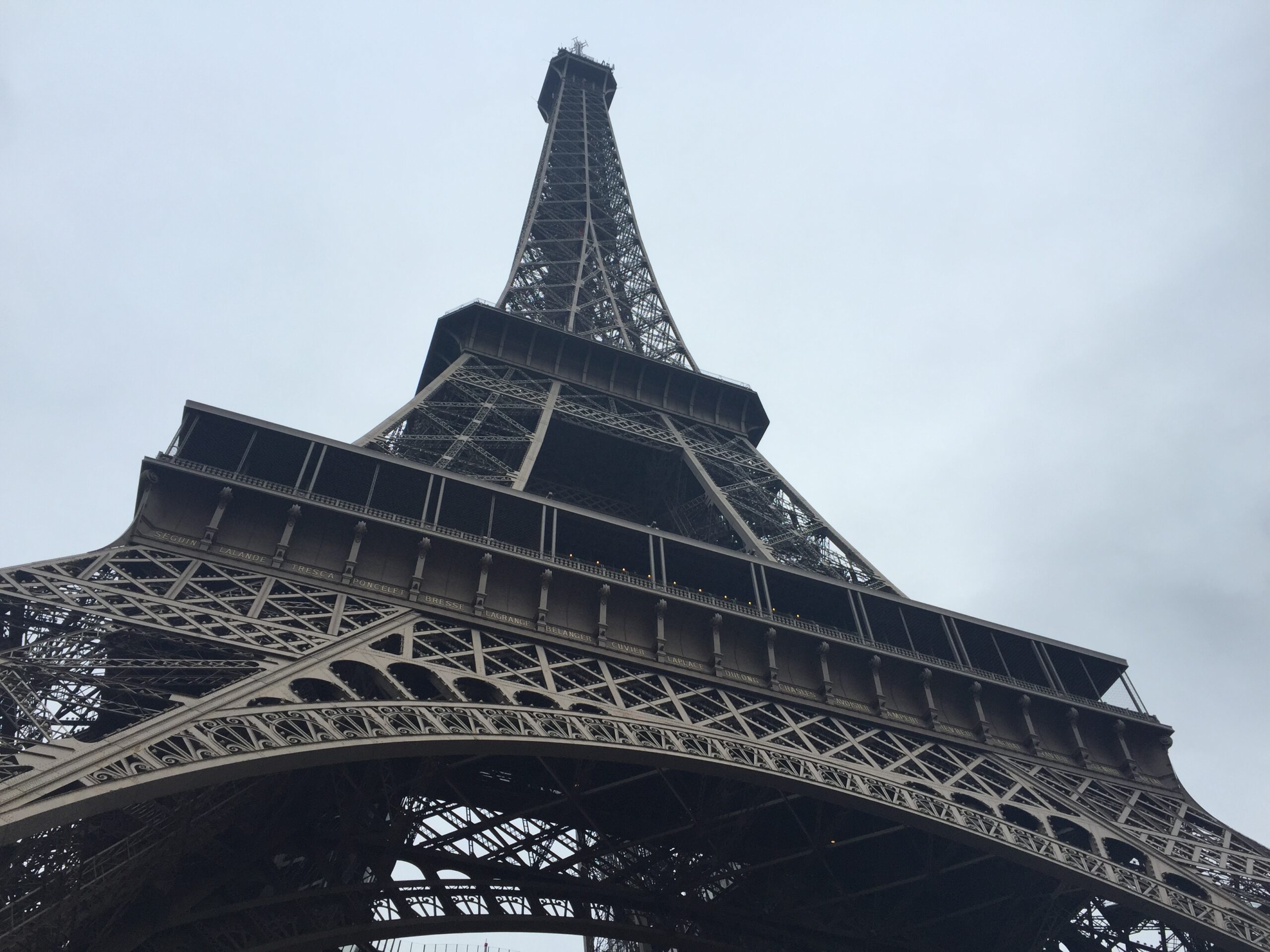
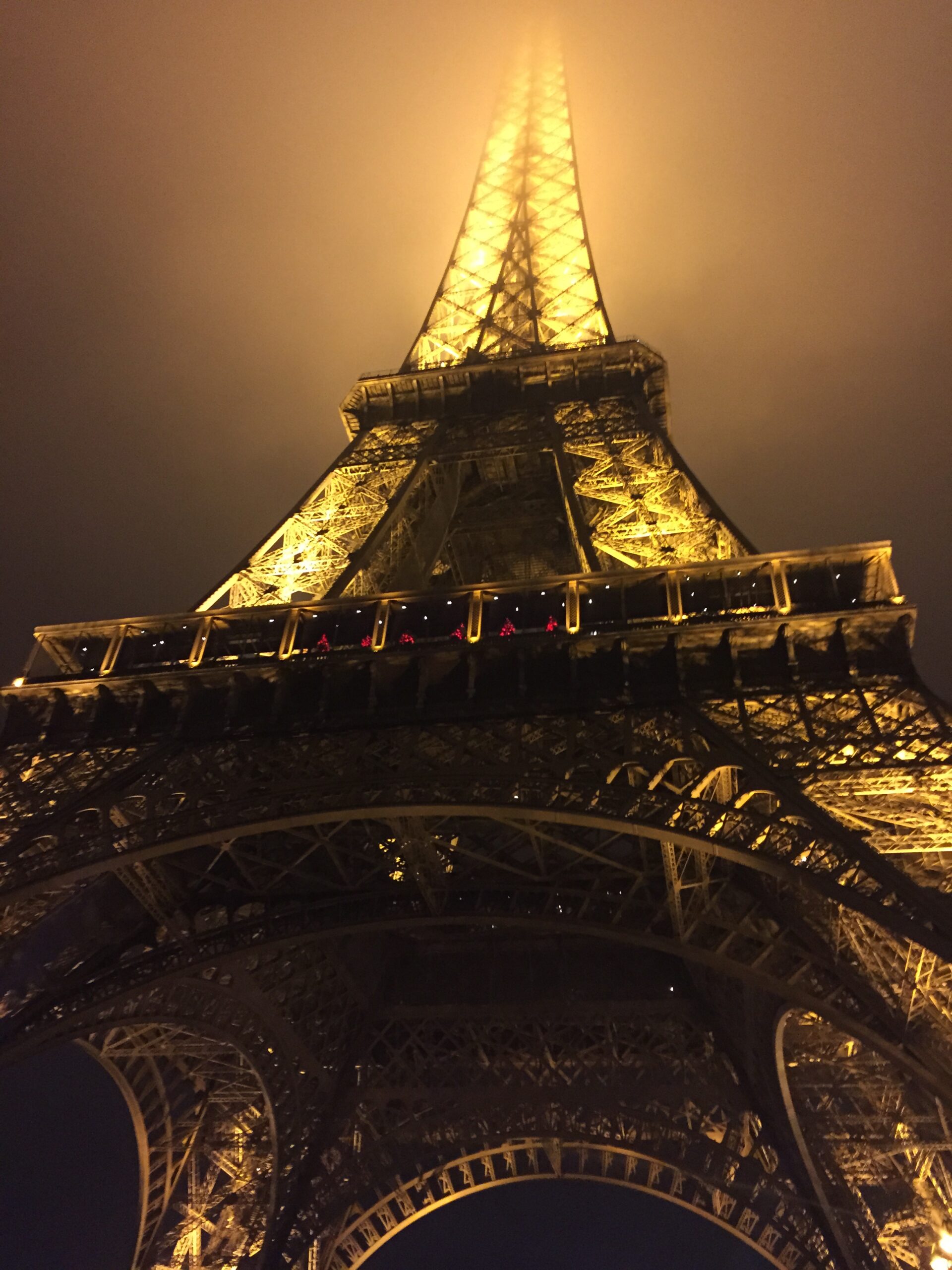
The Eiffel Tower is nicknamed “La Dame de Fer,” which translates into “The Iron Lady.”
The French word for tower, “la tour,” is feminine, while “iron” refers to the metal used to build it. It’s easy to see why this graceful yet strong landmark became known as the “Iron Lady.”
I could see how the shape of the structure might resemble a long flowing dress. Can you see it?
This is the symbol of Paris and one of the world’s most famous landmarks. You can see the Eiffel Tower from many places around the city, but there is something to be said about walking right up to it. The scale is something else.
Built for the 1889 World’s Fair, the tower has become inseparable from the Paris skyline. You can buy tickets for its viewing levels, including options that reach the summit. Check carefully what each ticket includes; access to the second floor and access to the top are different.
Do you need to go up? I don’t think so. You get a real sense of it by walking around the Champ de Mars and taking in the structure from below. If the view from above matters to you, go for it. If not, enjoying it from the park is still a memorable Paris experience.
Find a great deal on admission to the Eiffel Tower below.
Montmartre
Hillside streets, sweeping views and Sacré-Cœur make Montmartre feel like a different side of Paris. Leave time to wander beyond the busiest photo spots. There’s more up here than a quick picture!
Sacré-Cœur
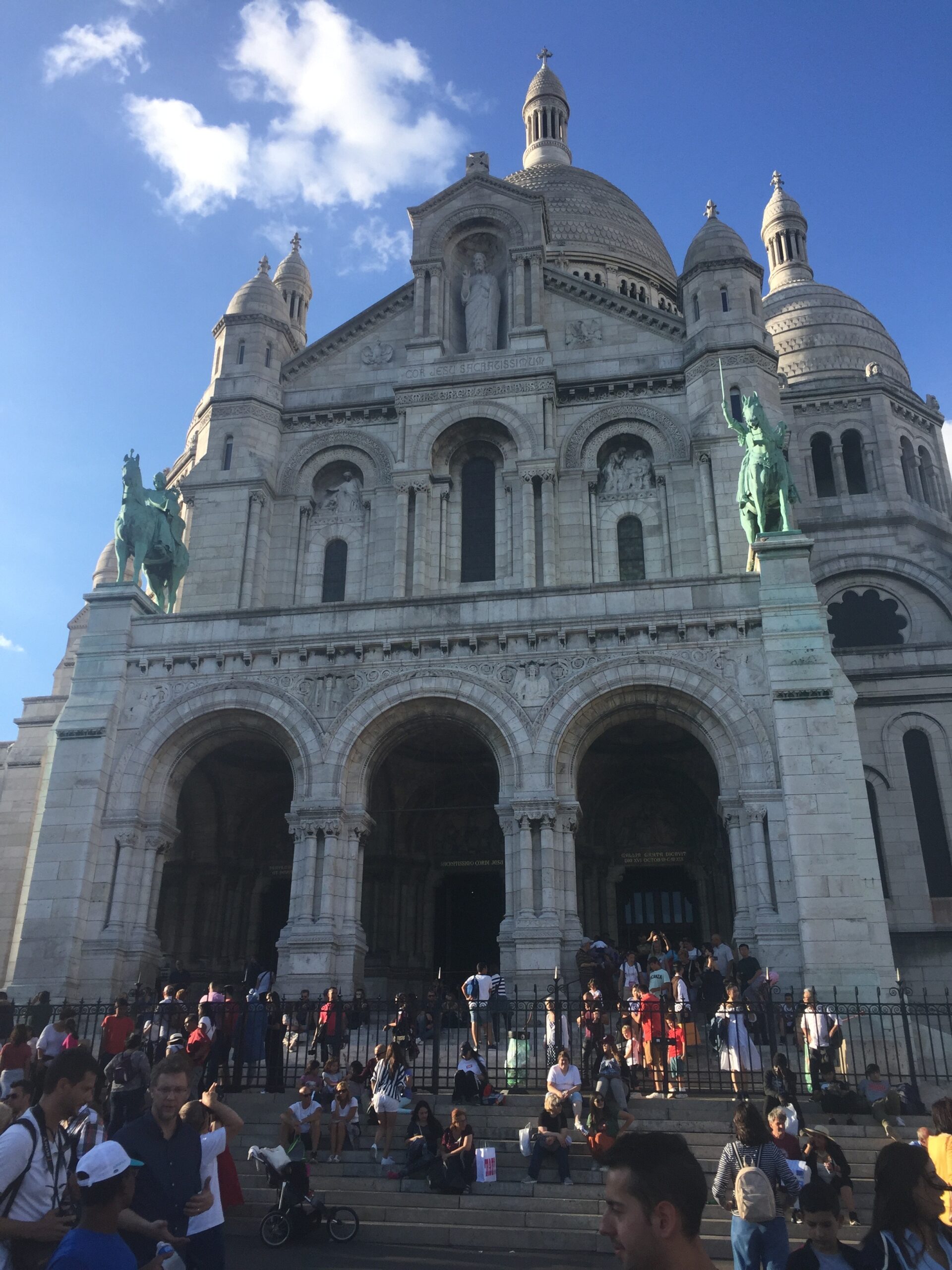
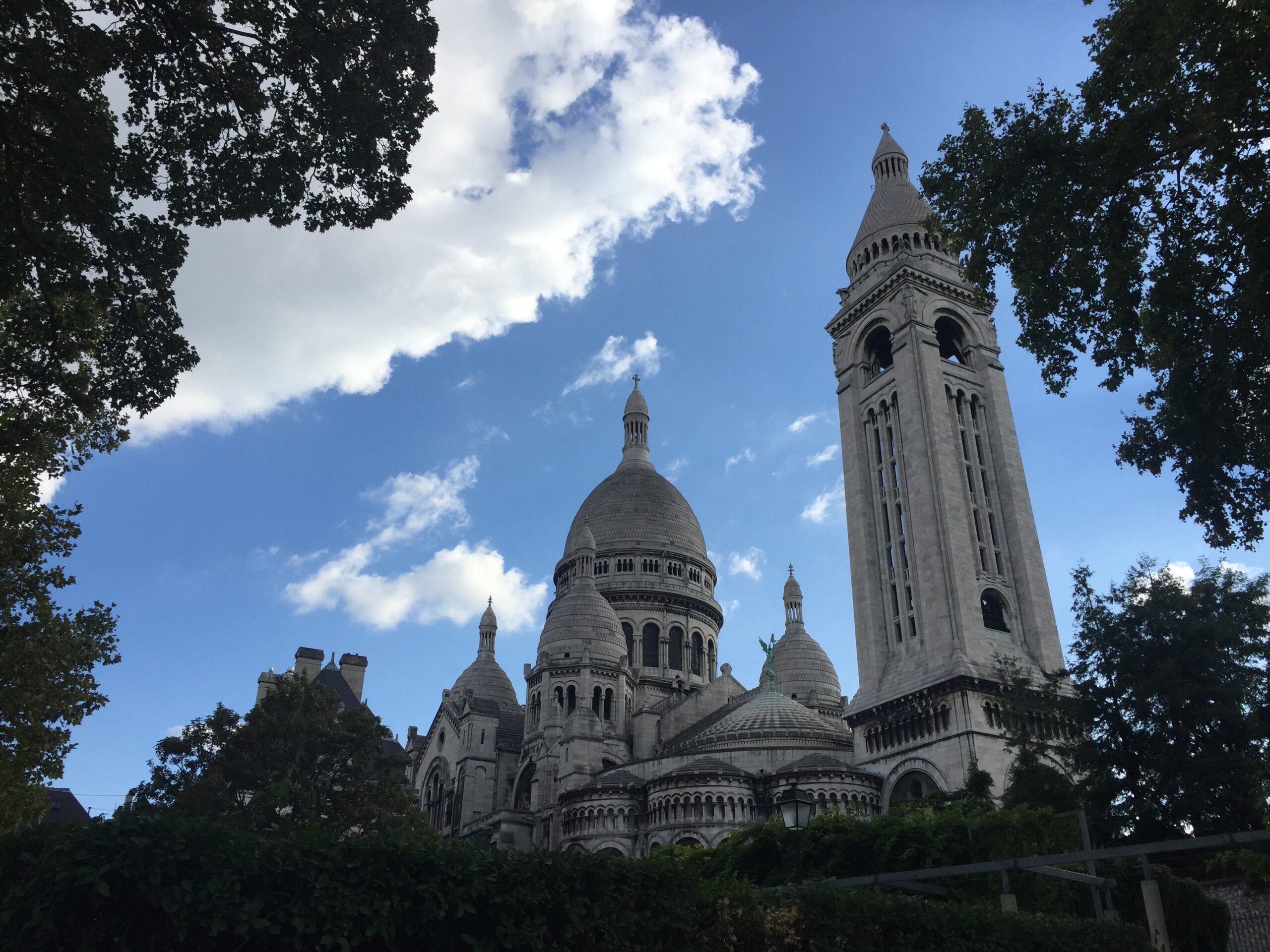

Sacré-Cœur means “Sacred Heart.” This huge basilica is dedicated to the Sacred Heart of Jesus, a symbol of His compassionate divine love and mercy. Its white domes rise above Montmartre, making it a landmark you can recognize from across Paris.
The idea grew out of a religious vow made during the Franco-Prussian War in 1870–1871. Its supporters saw France’s troubles as spiritual as well as political and wanted a church dedicated to repentance and hope. The vow began before the bloody Paris Commune of 1871, though the basilica became closely associated with the tensions of that era. Parliament declared the project a public utility in 1873, construction began in 1875 and the basilica was consecrated in 1919.
The Romano-Byzantine architecture gives the church its distinctive rounded domes. Built high on Montmartre’s hill, it was intended as a visible expression of faith overlooking the capital. And the views! You can take in a sweeping panorama from the stairs outside, with an even higher perspective available from the dome.
This is still an active church, not just a sightseeing stop. Eucharistic adoration has continued here day and night since August 1, 1885. That’s more than 140 years of continuous prayer. Step inside respectfully and give yourself a moment to appreciate what this place means to the people praying here.
Moulin Rouge
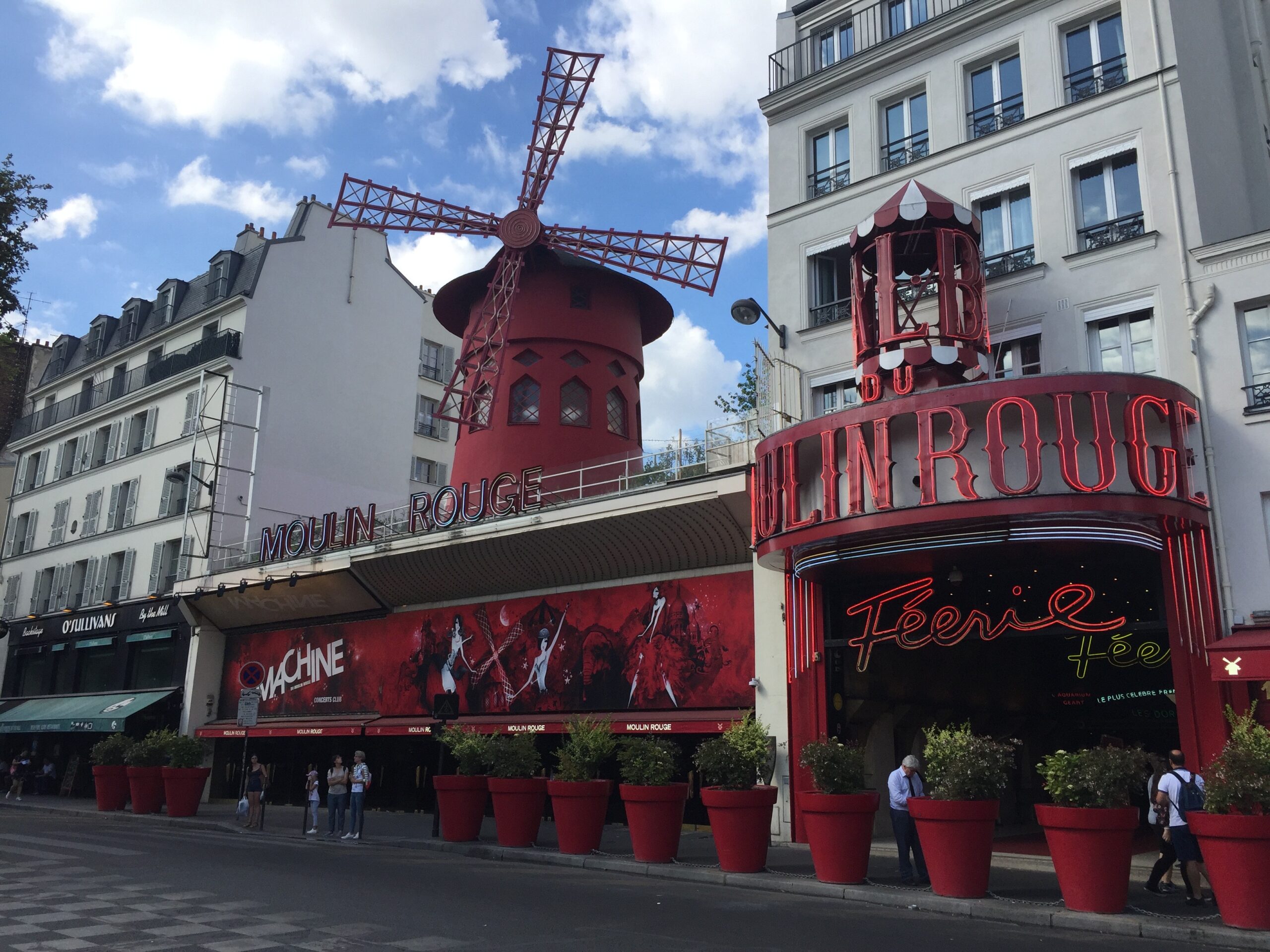
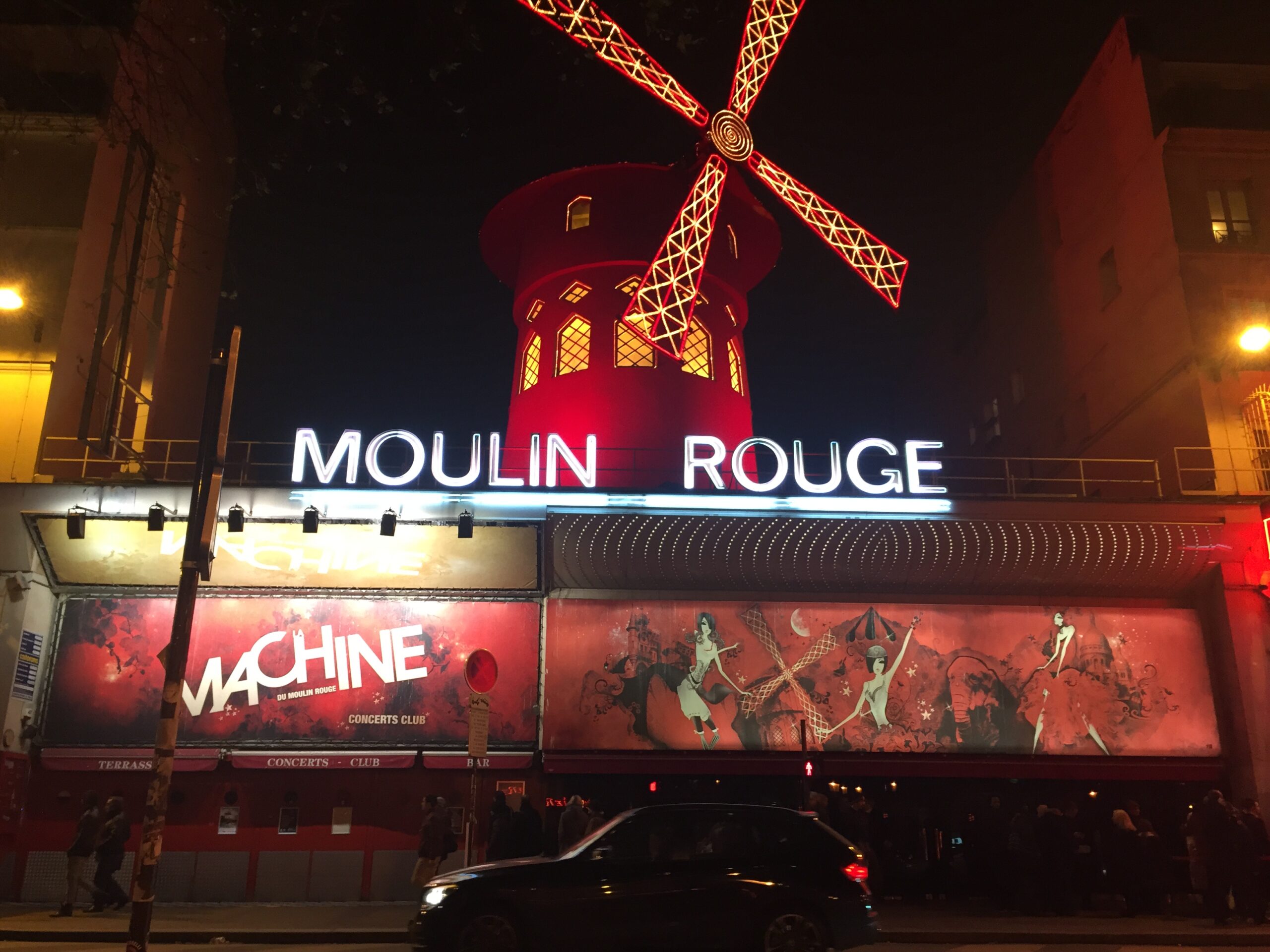
Down at the foot of Montmartre, look for the Moulin Rouge and its famed red windmill. It’s still a working cabaret, with shows full of corsets, feathers, sequins and the French cancan.
I didn’t go to a show, but of course it’s fun to see the façade of the venue that inspired the 2001 musical Moulin Rouge!, directed by Baz Luhrmann, written by Luhrmann and Craig Pearce and starring Nicole Kidman and Ewan McGregor.
The venue was also immortalized by French artist Henri de Toulouse-Lautrec. His oil-on-canvas masterpiece At the Moulin Rouge, painted between 1892 and 1895, is in the collection of the Art Institute of Chicago.
I think it’s worth walking by just to say you saw it. Between the paintings, the movie and that unmistakable windmill, this place has been part of pop culture for more than 100 years. Now you can picture the real thing!
Le Marais And Place Des Vosges
The Marais brings together historic architecture, museums, shops and a lively food scene. Place des Vosges offers an easy place to pause within a neighborhood walk.
Choose one museum or shopping focus and enjoy the surrounding streets. It is a good day to leave space for a bakery stop and lunch rather than another rigid schedule.
Palace Of Versailles
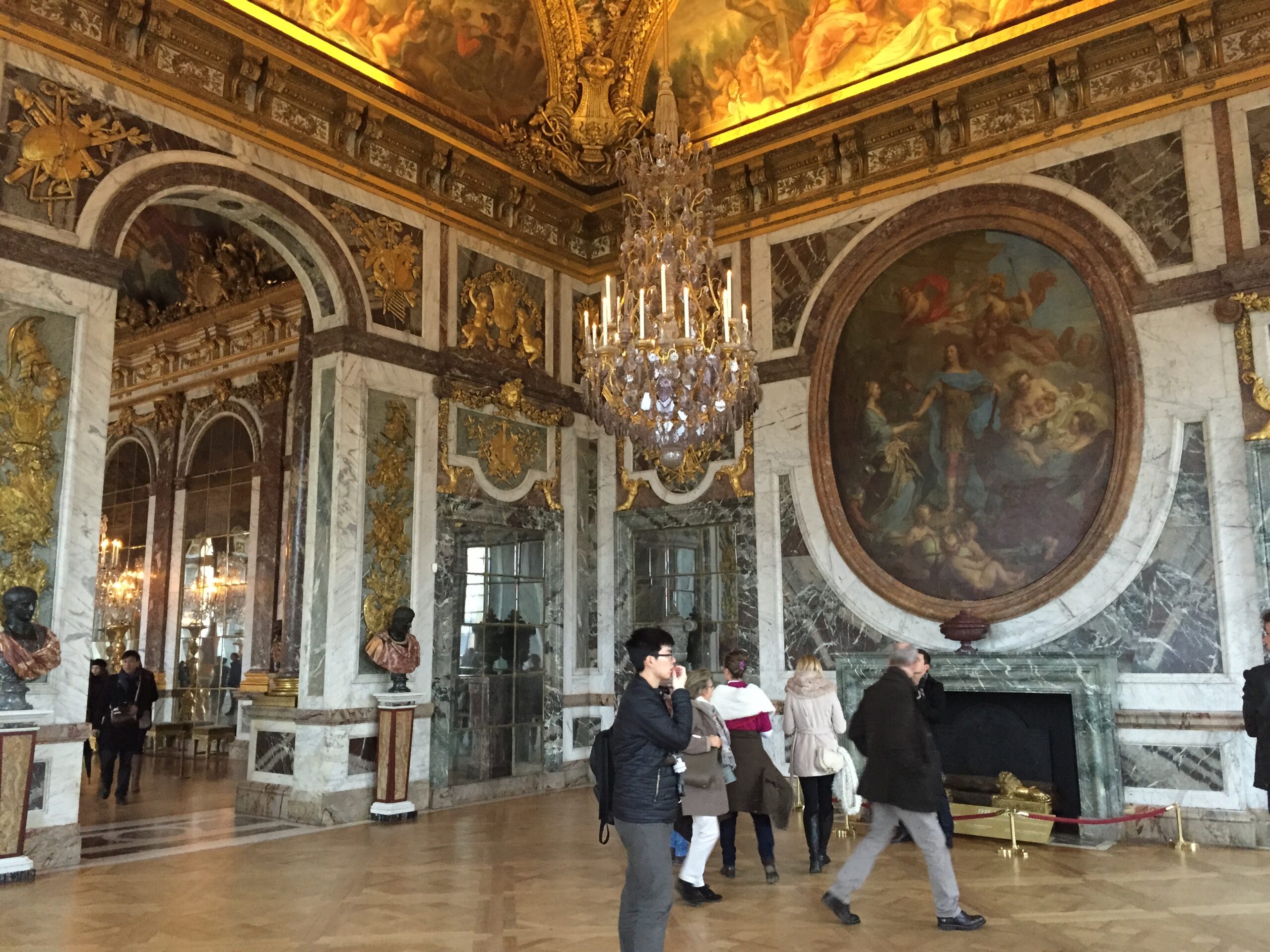

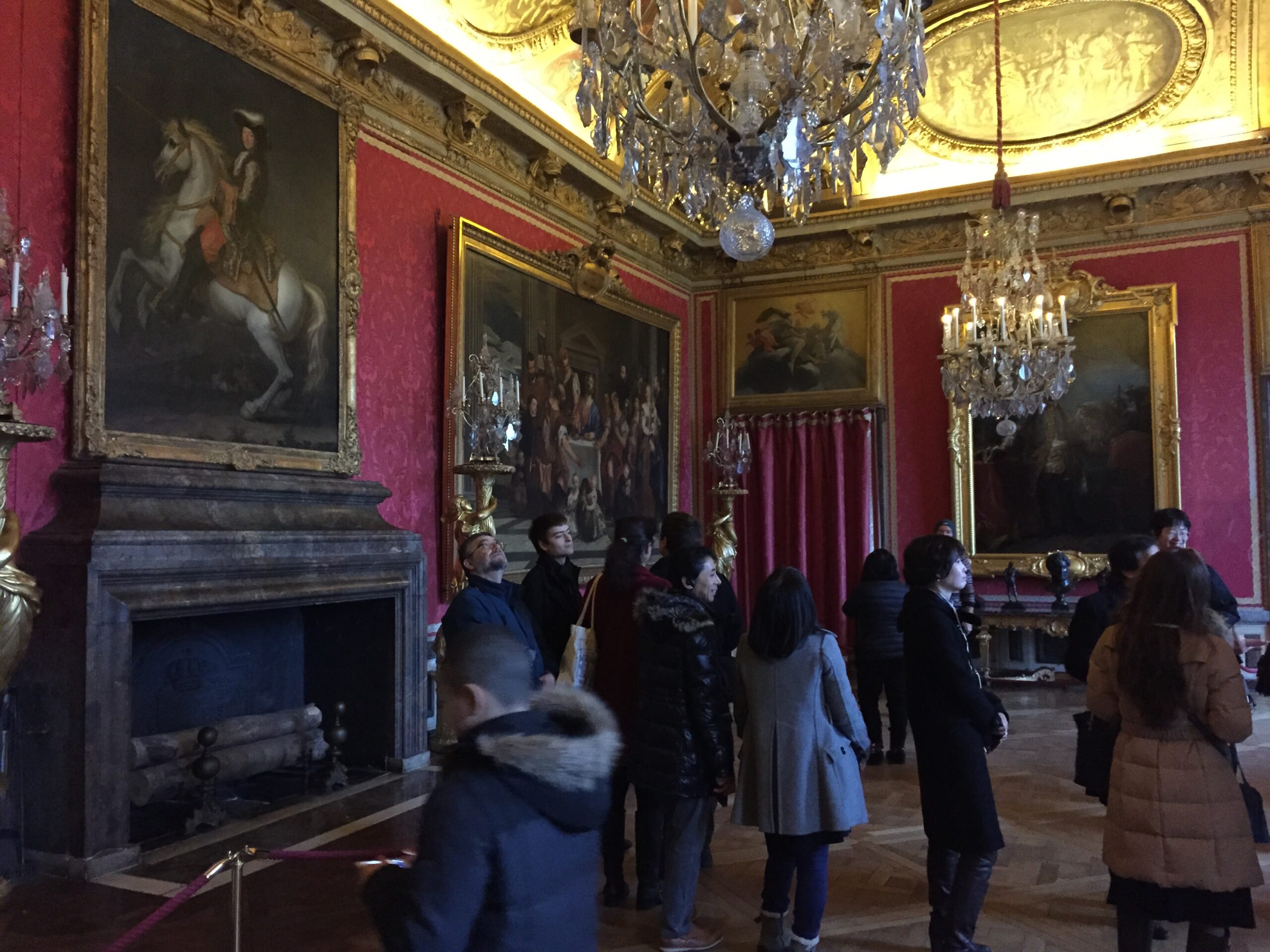
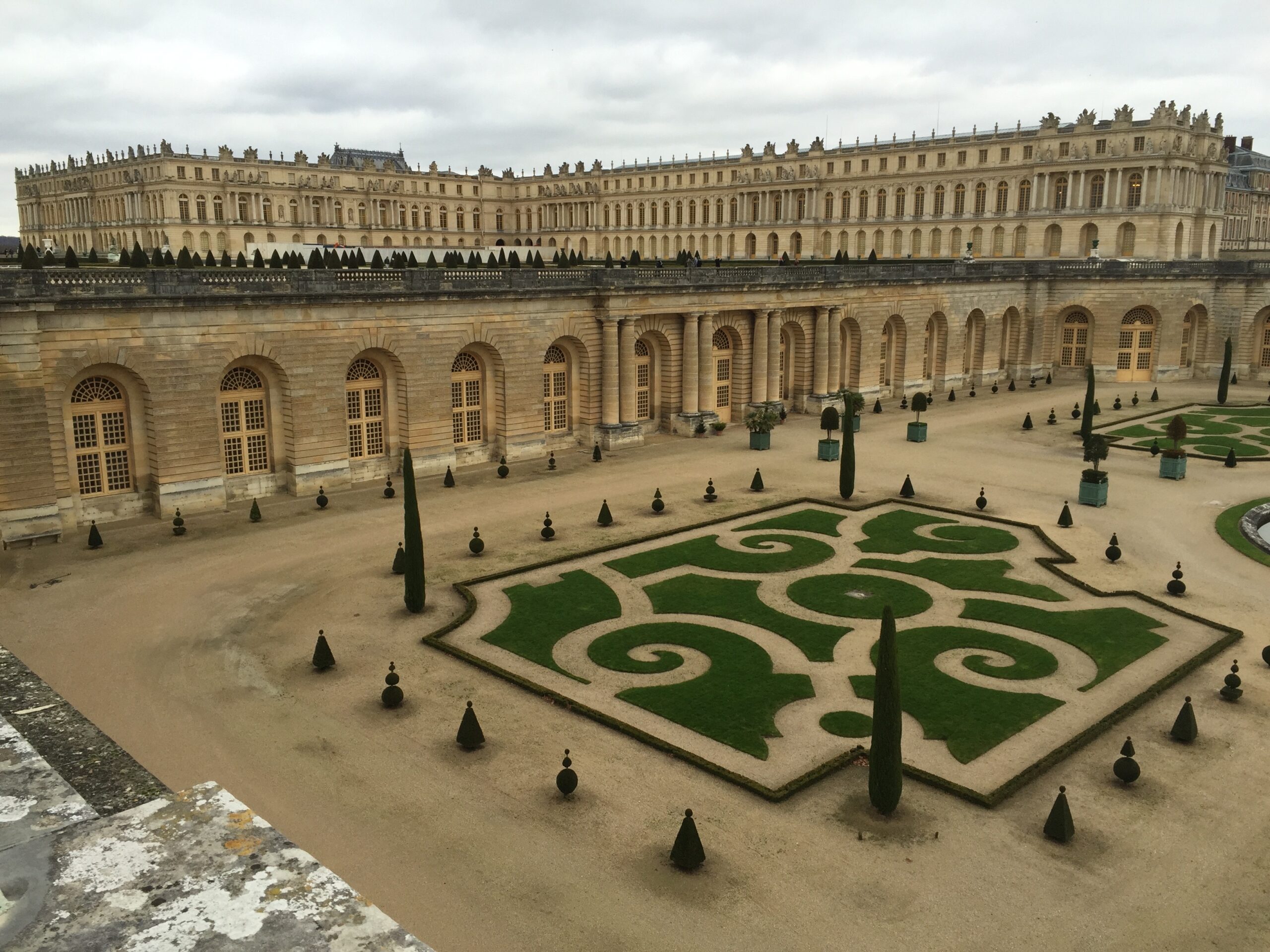
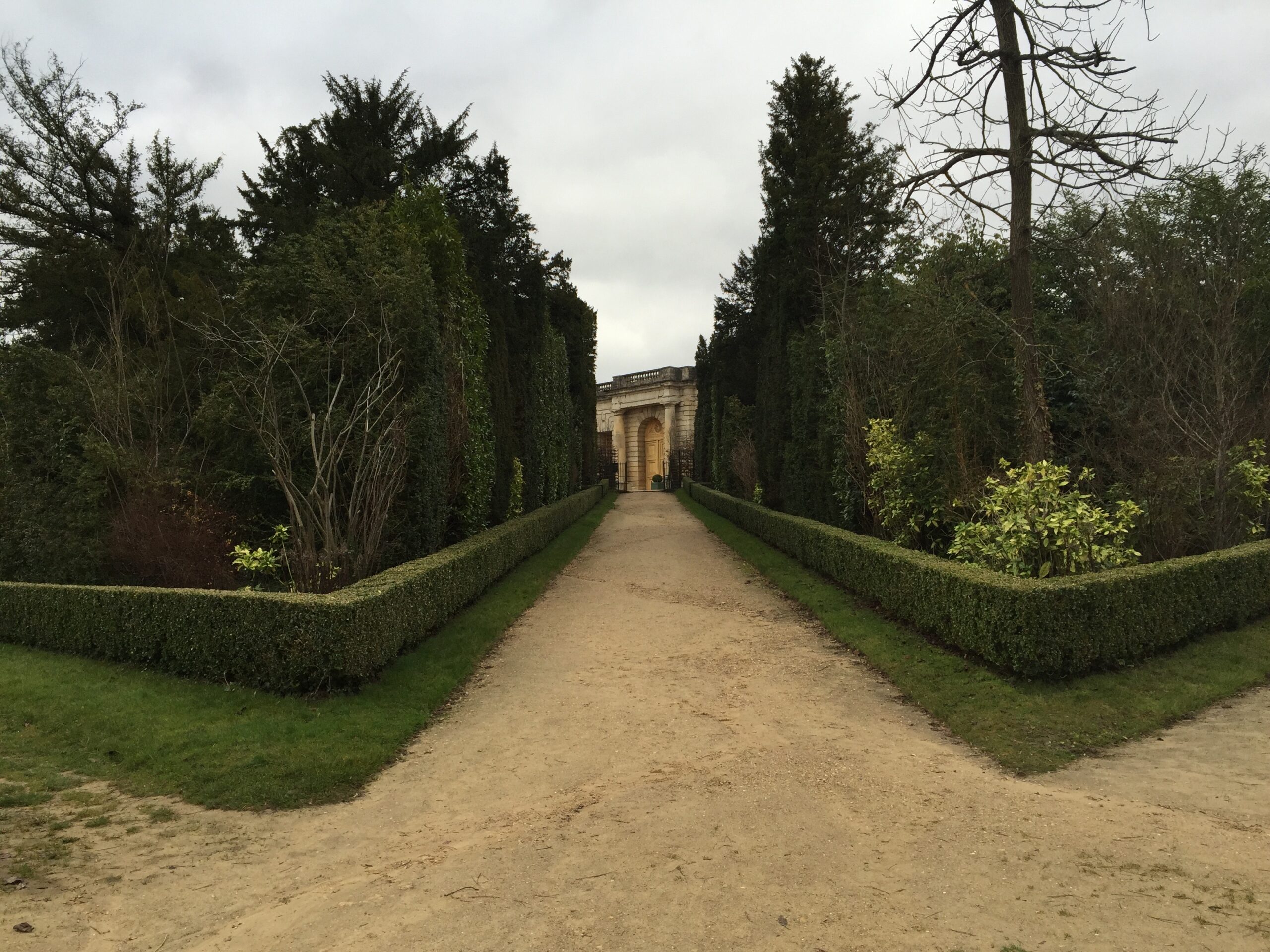

It’s not every day you get to tour the grounds and explore the inside of a real-life palace.
And it’s here, at the Palace of Versailles, where kings and queens lived for more than 100 years.
The Palace of Versailles was also where, in 1919, the Treaty of Versailles was signed in the Hall of Mirrors, setting the peace terms with Germany after World War I.
But the immense history here is only part of its allure.
The Palace of Versailles is stunning. The rooms, the decoration, the sheer scale of the place. It’s amazing to see how French royalty lived and how much effort went into showing it off.
Just outside Paris, Versailles grew into the grand royal residence associated with Louis XIV, the Sun King. The Hall of Mirrors is a highlight, with its long gallery, glittering decoration and windows looking toward the gardens.
And the grounds and gardens alone are worth seeing. Simply stunning. André Le Nôtre’s design uses long perspectives, formal planting, fountains and carefully arranged groves to extend the palace outdoors. For anyone who has a little garden at home, Versailles is truly aspirational!
Give this most of a day if you can, including the trip from Paris. Wear comfortable shoes and check what your ticket covers, especially if you want the Trianon estate or a fountain-show day. The palace is closed on Mondays; consult the official visitor information before setting out.
We have a great deal for you on a Versailles guided tour and transport from Paris. See below.
Save On Things To Do In Paris
Paris Entry Requirements
U.S. citizens can visit France for short tourism stays without a visa for up to 90 days in any 180-day period across the Schengen Area. Days in other Schengen countries count toward the same limit.
Passport And Return Travel
- Passport: Bring a passport issued within the previous 10 years and valid for at least three months after your planned departure from the Schengen Area. Keep accommodation details, proof of funds and return or onward travel available. Review official European travel-document rules.
- Country guidance: Confirm the details through official France entry information, especially for a longer stay or a purpose other than tourism.
EES And ETIAS
- EES: The Entry/Exit System records eligible non-EU short-stay travelers at the external border. Allow time for the border process and follow official EES guidance.
- ETIAS: As of Sept. 30, 2026, the official EU portal says ETIAS is not yet operating and is not accepting applications. Check the official ETIAS website again before departure because the launch status can change. ETIAS and EES are different systems.
Health And Other Requirements
- Before departure: Review CDC travel-health information for France and official customs rules relevant to your route and belongings.
Information checked Sept. 30, 2026. Requirements can change; use the official sources above to confirm the rules for your passport and travel dates before departure.
Suggested Paris Itinerary
Choose the plan that fits your time at the destination. Add travel days where needed, especially for long flights, connections and time-zone changes.
 Weekend Itinerary In ParisA focused two-day introduction with time to enjoy the highlights.
 Long Weekend Itinerary In ParisThree days for major sights and a little more breathing room.
 One-Week Itinerary In ParisSeven days to explore more deeply and keep a gentler pace.
Itinerary photos: Léonard Cotte, Chris Karidis, Anthony DELANOIX / Unsplash.
Frequently Asked Questions About Paris
Do U.S. Travelers Need A Visa For Paris?
U.S. citizens can visit France for short tourism stays without a visa for up to 90 days in any 180-day period across the Schengen Area. Days in other Schengen countries count toward the same limit.
What Documents Should You Bring?
Bring a passport issued within the previous 10 years and valid for at least three months after your planned departure from the Schengen Area. Keep accommodation details, proof of funds and return or onward travel available.
How Many Days Do You Need In Paris?
A first visit of five to seven days gives you more room to enjoy Paris. For a shorter or longer plan, explore our Weekend Itinerary In Paris, Long Weekend Itinerary In Paris or One-Week Itinerary In Paris. These itineraries count days at the destination; allow additional time for flights, arrival and the time-zone change.
Which Airport Should You Use For Paris?
Paris has two main airports: Charles de Gaulle (CDG), the larger international gateway, and Orly (ORY). Compare fares to both and include the time and cost of reaching your hotel. The RER B connects CDG with Paris, while Métro line 14 connects Orly with the city. Beauvais (BVA) is much farther away, so factor in the extra transfer before choosing a cheaper fare.
When Should You Visit Paris?
Think about how much walking and museum time you want, then choose dates that suit your pace. Gardens, daylight and the temperature in your hotel room all affect the experience.
Where Should You Stay In Paris?
Choose a base near several of the experiences you want, then compare the full hotel cost and transport. Explore the areas and hotel comparison checklist.
Do You Need A Rental Car In Paris?
A rental car is usually unnecessary in central Paris. Walking, Métro and rail are more practical for most visits. Driving is on the right; collect a car when leaving for a road trip if needed and review parking and environmental-zone rules for your route.
If you are considering a rental car in Paris, compare rental car deals here.
What Should You Budget Beyond Flights And Hotels?
Include local transportation, meals, attraction tickets, taxes, mandatory hotel fees and any luggage or seat charges. Check parking, deposits and cancellation terms before comparing two offers.
How Should You Pay For Things In Paris?
Use euros. Compare card fees and keep a backup payment method. If a terminal offers to convert the bill to U.S. dollars, compare the exchange terms before accepting. Paying in local currency usually avoids the merchant's conversion.
Will Your Cell Phone Work In Paris?
Ask your U.S. carrier about international service, roaming charges and a short-term plan before departure. An unlocked, compatible phone may also support a local SIM or eSIM. Download maps and booking details for use without a connection.
Do You Need An Electrical Adapter In Paris?
France uses 230V at 50Hz. Bring a suitable European plug adapter and check each device label. A charger rated 100–240V generally needs the plug adapter only; a device designed solely for U.S. voltage needs a different solution.
Do You Need To Speak French In Paris?
You can manage many visitor situations in English, but a polite bonjour and a few basic phrases help. Ask before switching languages and keep an offline translation option for menus or practical questions.
Should You Book Major Museums Ahead?
Yes when a particular visit matters to you. Check the official museum for timed entry, closure days and special exhibitions, and confirm any requirements attached to a sightseeing pass.
Should You Add Versailles To A Short Paris Trip?
Only if it is a priority and you can give it most of a day. For a first two- or three-day stay, more time in Paris often makes a calmer visit.
Entry rules, advisories, health guidance and provider terms can change. Verify current information through official government and provider sources before travel.
Paris Travel News
New route announcements and airline service updates will appear here as they are published.